Blog Objective
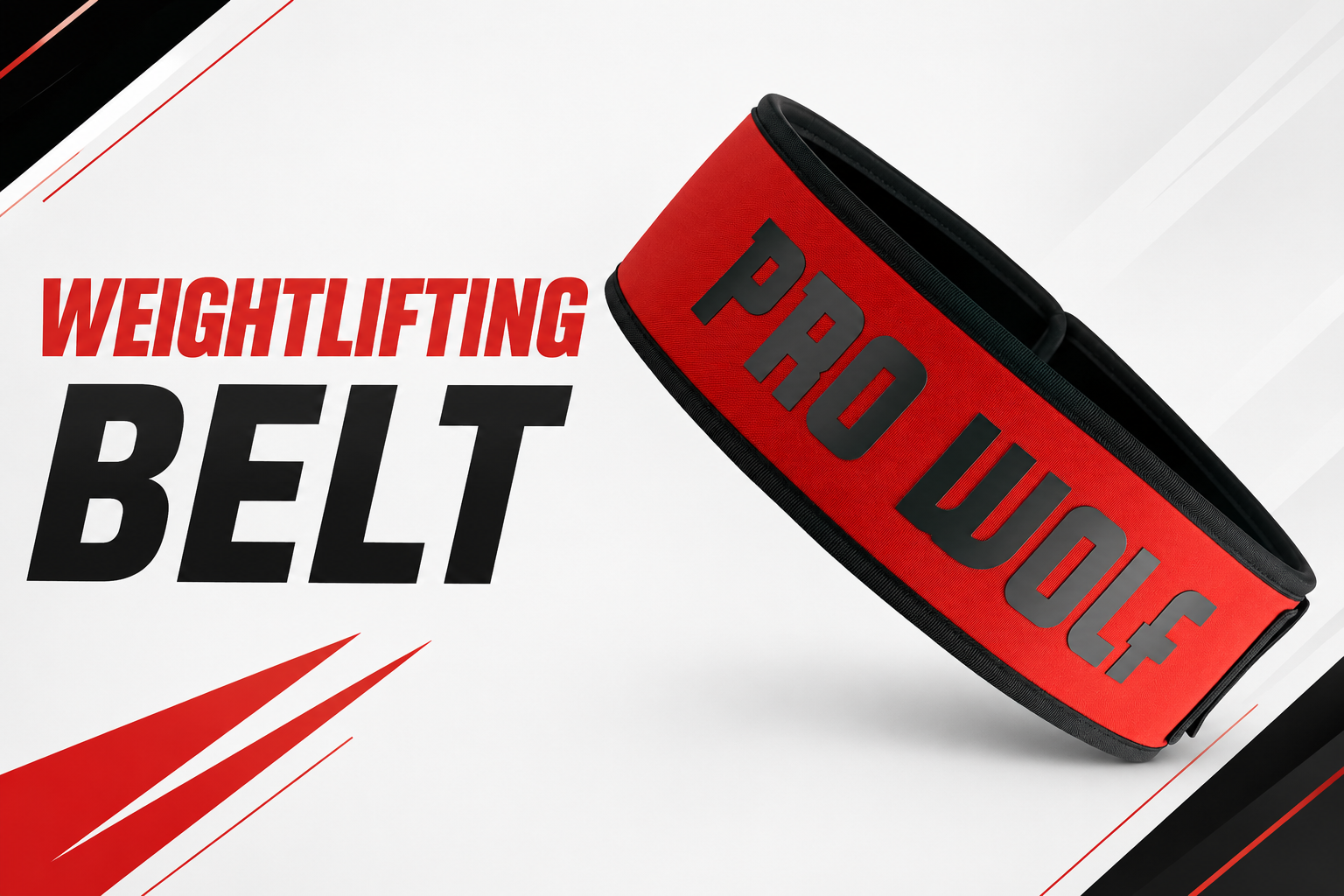
This guide talks about all that you need to know before purchasing your training belt, right from the material used to make it to how it should be used every day to train better and safely.
Key Takeaways
-
A gym belt supports your spine and core, helping you lift heavier with better control.
-
Neoprene suits beginners, leather suits long-term heavy lifters, and thickness changes the support level.
-
Prong, velcro, and lever buckles each balance speed and security differently.
-
Correct waist sizing matters far more than picking a flashy design.
-
A good belt should feel snug from the first workout, not something you break in for weeks.
Have you ever gotten halfway through a heavy squat and felt your lower back tighten up before your legs even started struggling? Many lifters run into this the moment real weight goes on the bar. This is usually the point where a good gym belt makes the biggest difference, and it is also where most people realize they waited too long to buy one. With gym memberships climbing across India, more first-time lifters are asking the same question: how do you pick a weightlifting belt that actually works instead of one that just looks good in photos? This guide breaks down materials, sizing, and real usage tips so you never have to guess again.
Table of Contents
-
What Is a Gym Belt and Why It Matters
-
Gym Belt Benefits You Should Know
-
Types of Gym Belts Explained
-
Gym Belt Buying Guide: What to Check Before You Buy
-
Gym Belt Usage Tips for Better Results
-
Quick Comparison: Choosing the Right Belt for Your Goal
What Is a Gym Belt and Why It Matters
A gym belt is basically a wide strap worn around your waist while lifting. It works by pressing against your core and building pressure inside your belly, which keeps your spine steady the moment the weight gets heavy. Your torso locks into one solid unit as soon as you tighten it, and that is exactly the point.
-
Wraps around your midsection and locks in place before heavy lifts
-
Creates intra-abdominal pressure that braces your spine from the inside
-
Works best during squats, deadlifts, and overhead presses
-
Is not meant to stay on through your whole workout, only your heaviest sets
Gym Belt Benefits You Should Know
Once you start training with a belt regularly, you will notice changes beyond just heavier numbers on the bar. Many lifters say it becomes part of their pre-lift routine before they even load the plates. Here is what a properly fitted belt genuinely brings to your training.
-
Gives your core extra stability so you can push through heavier sets with confidence
-
Supports your lower back and lowers the chances of strain during max lifts
-
Helps you hold a straighter, safer posture while your body is under load
-
Builds intra-abdominal pressure that many lifters say adds real strength to each rep
Types of Gym Belts Explained
Not every belt is built the same way, and picking blind can leave you stuck with something too stiff or too soft for your training style. Material, buckle, and width all change how a belt feels once you are under the bar.
-
Leather belts are the most durable and supportive but need a short break-in period
-
Nylon belts are lighter and more affordable, though they offer less rigid support
-
Neoprene belts, particularly CR Neoprene, stay comfortable and breathable, which suits beginners and back issues
-
Prong buckles give a precise, secure fit for serious heavy lifting
-
Velcro and lever buckles go on faster, useful when moving quickly between exercises
Gym Belt Buying Guide: What to Check Before You Buy
Before you add a belt to your cart, a few small details decide whether it becomes your training partner or ends up sitting in a drawer. This gym belt buying guide covers exactly what to look for.
-
Measure your waist properly and check the sizing chart instead of guessing your pant size
-
Check the thickness, since around 8mm offers strong support without feeling stiff
-
Look for a width between 4 and 6 inches unless you need maximum powerlifting support
-
Pick a closure system you can adjust fast between sets without wasting rest time
-
Choose a brand with proper exchange support, so a sizing mistake does not turn into a loss
Gym Belt Usage Tips for Better Results
Owning a good belt is only half the job. How you actually use it during your session decides whether it protects you or just sits there for show. These gym belt usage tips come from how experienced lifters use theirs daily.
-
Wear it only for your heaviest, most demanding sets, not your warm-ups
-
Tighten it enough that you can still push a deep breath into your belly before lifting
-
Brace your core against the belt rather than letting the belt do the bracing for you
-
Loosen it between sets so it does not restrict your breathing during rest
Quick Comparison: Choosing the Right Belt for Your Goal
If you are still unsure which type suits your training, here is a quick side-by-side look to make the decision easier.
|
Belt Type |
Best For |
Support Level |
Break-in Needed |
|
Leather |
Long-term heavy lifters |
Very High |
Yes |
|
CR Neoprene |
Beginners and back support |
Medium to High |
No |
|
Nylon |
Light training and mobility work |
Low to Medium |
No |
|
8mm, 4-inch belt |
Squats, deadlifts, overhead presses |
High |
Minimal |
Your Next Heavy Set Deserves Better Support
A solid belt will not replace consistent training, proper form, or patience, but it gives your spine the backup it needs when the bar gets heavy. Whether you are just starting out or chasing serious numbers, treat your gym belt like any other piece of powerlifting gear, an investment in how long you can keep training. Try it on, check the fit, and let your next heavy set feel a little more controlled.
FAQs
Is it bad to wear a gym belt all the time?
Wearing a belt through your entire workout can weaken your core over time since your body starts relying on it instead of your own muscles. Save it for your heaviest sets only.
How tight should a weightlifting belt be?
It should feel snug enough that you can push your belly out against it and build pressure, but you should still be able to take a full breath before lifting.
Do gym belts actually help you lift more?
Yes, a properly fitted belt increases intra-abdominal pressure, which stabilizes your spine and helps lifters handle heavier loads with better control. The gain comes from added stability, not from the belt lifting the weight for you.
What size gym belt should I buy?
Measure around your natural waistline where the belt will actually sit, not your pant size, then match it to the brand's sizing chart. A correctly sized belt should tighten on the last hole or two, not the loosest ones.
Share:
Knee Sleeves for Weightlifting: The Complete Buying Guide for Indian Lifters