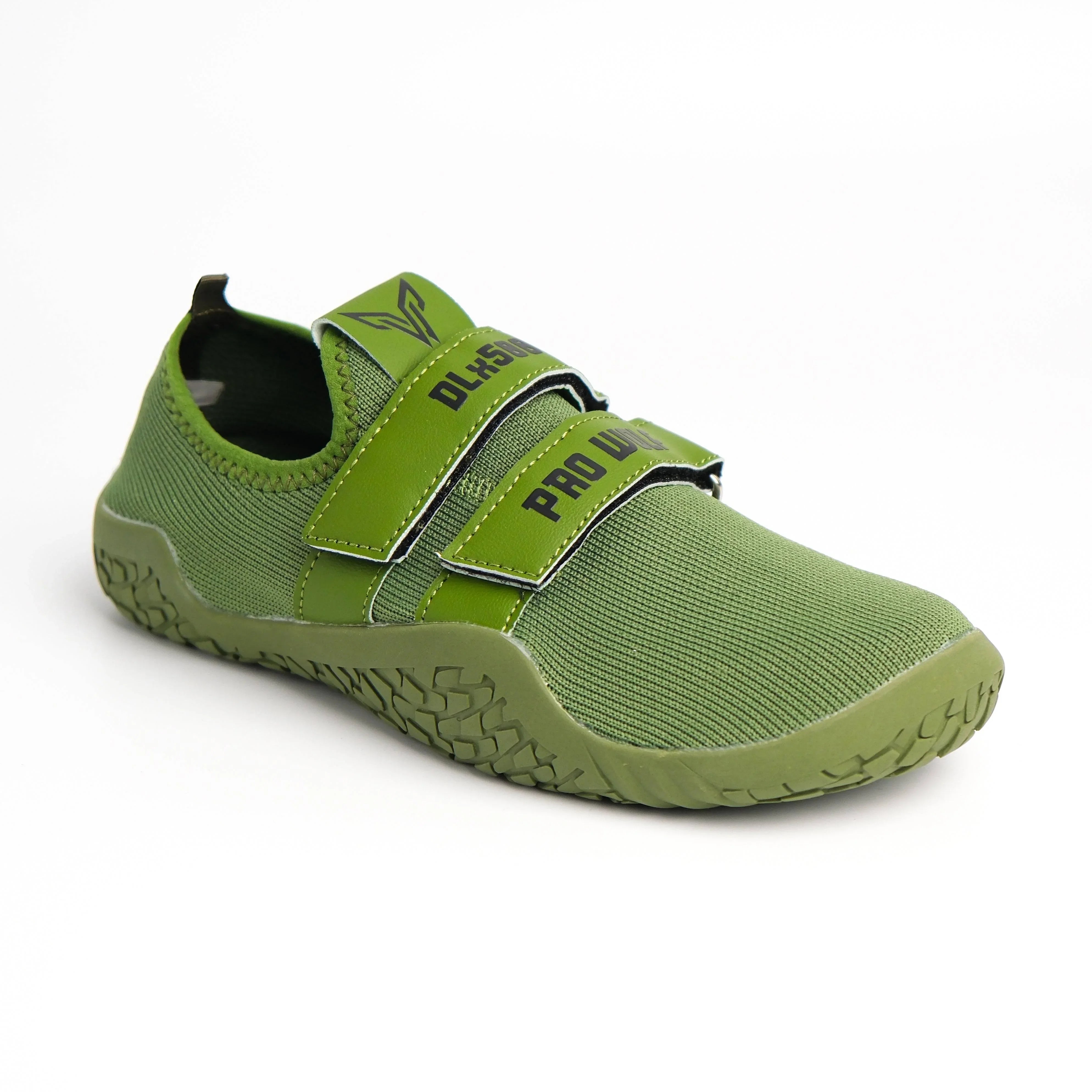
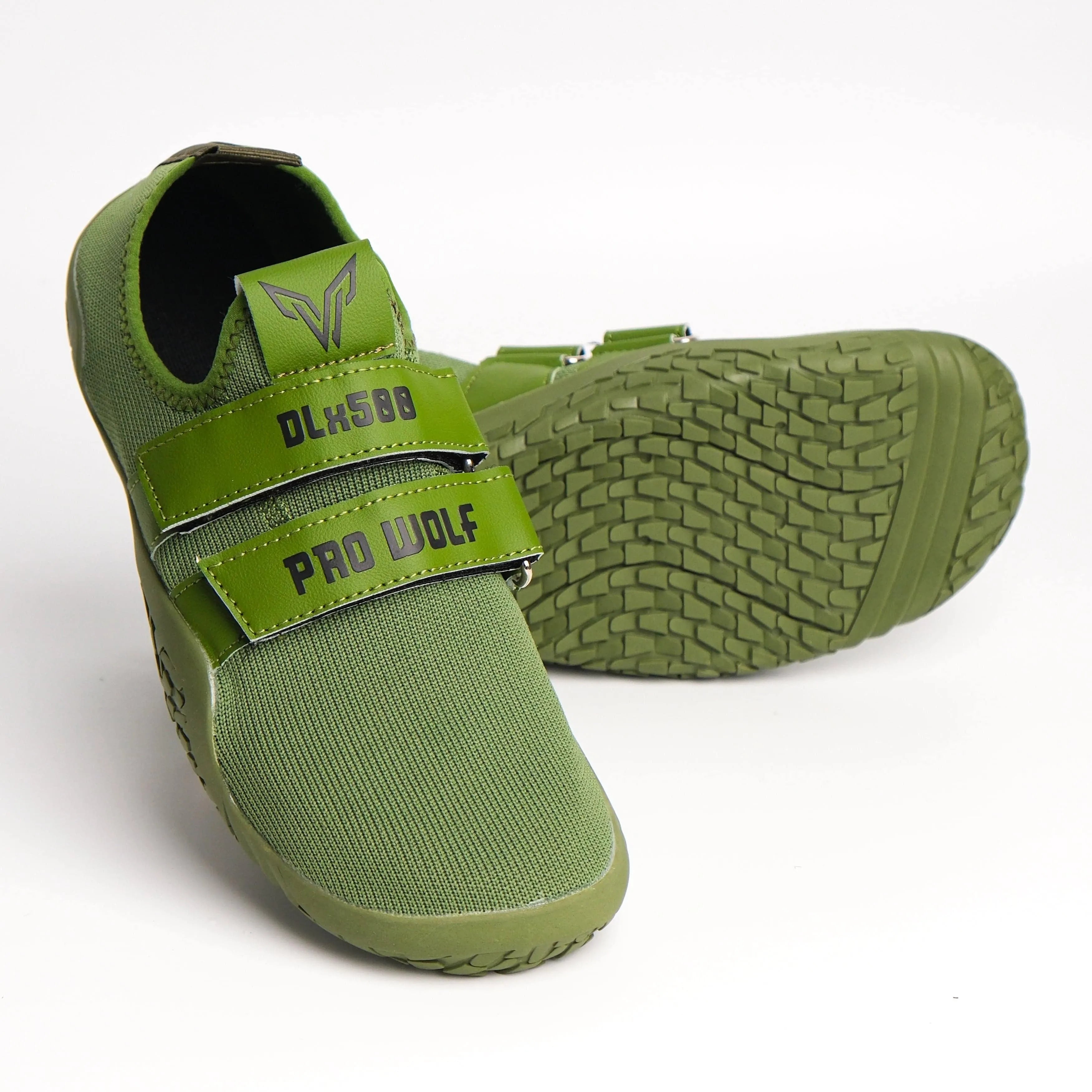
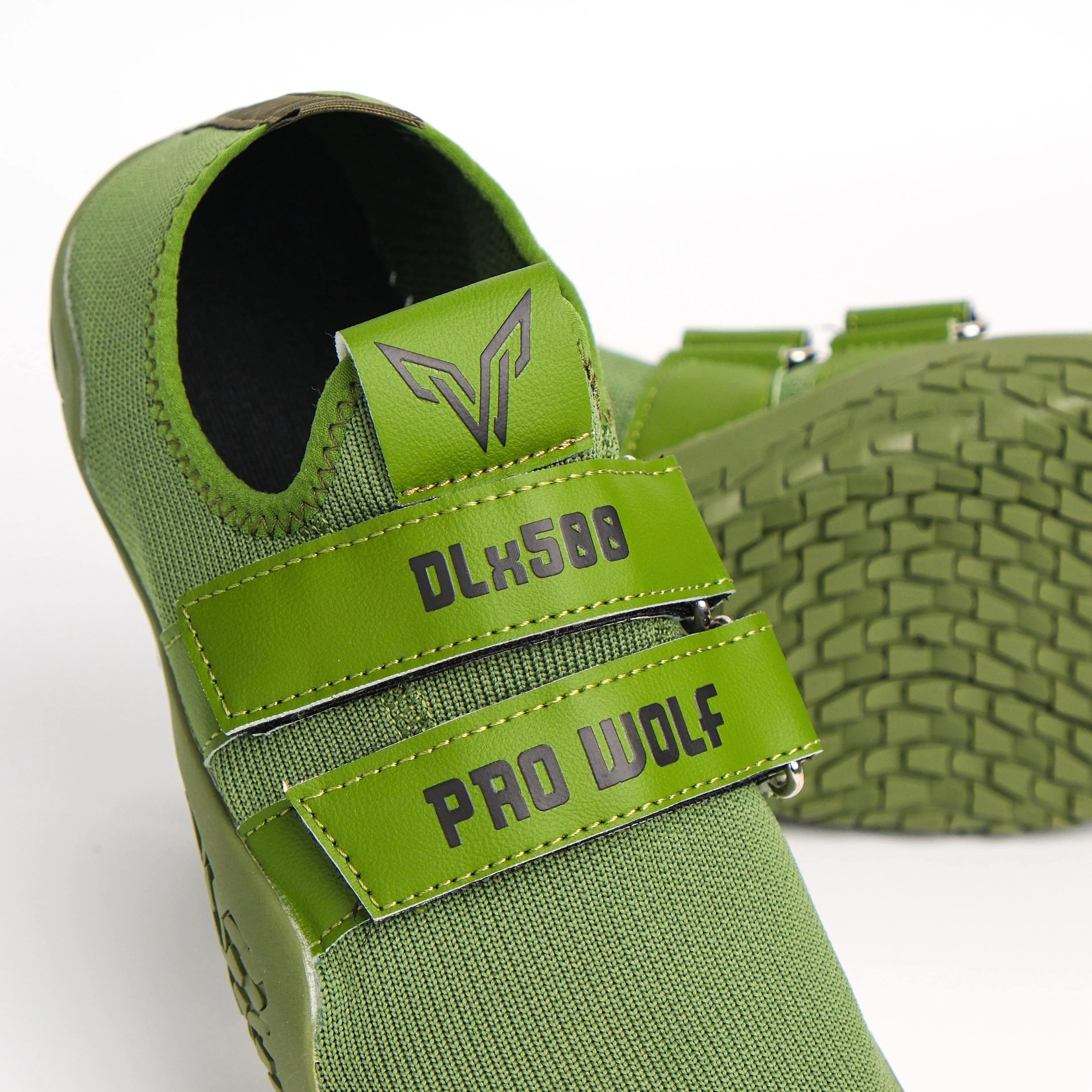
Explore PRO WOLF's Diverse Range of Men's Gym Shoes
We understand every workout is unique. Whether you're a powerlifter pushing your limits, a HIIT enthusiast seeking peak performance, or a dedicated runner logging serious miles, PRO WOLF has the perfect shoe for you:
- Powerlifting Shoes: Experience rock-solid stability and optimal power transfer with our supportive powerlifting shoes featuring raised heels and hard, dense soles.
- Weightlifting Shoes: Conquer lifts with confidence thanks to our weightlifting shoes designed for precise rollover control and maximum stability.
- Olympic Weightlifting Shoes: Elevate your Olympic lifts with our competition-approved shoes, boasting a wide toe box and features to maximize explosiveness.
- Running Shoes: Hit the pavement in comfort and style with our lightweight running shoes featuring superior cushioning and breathability.
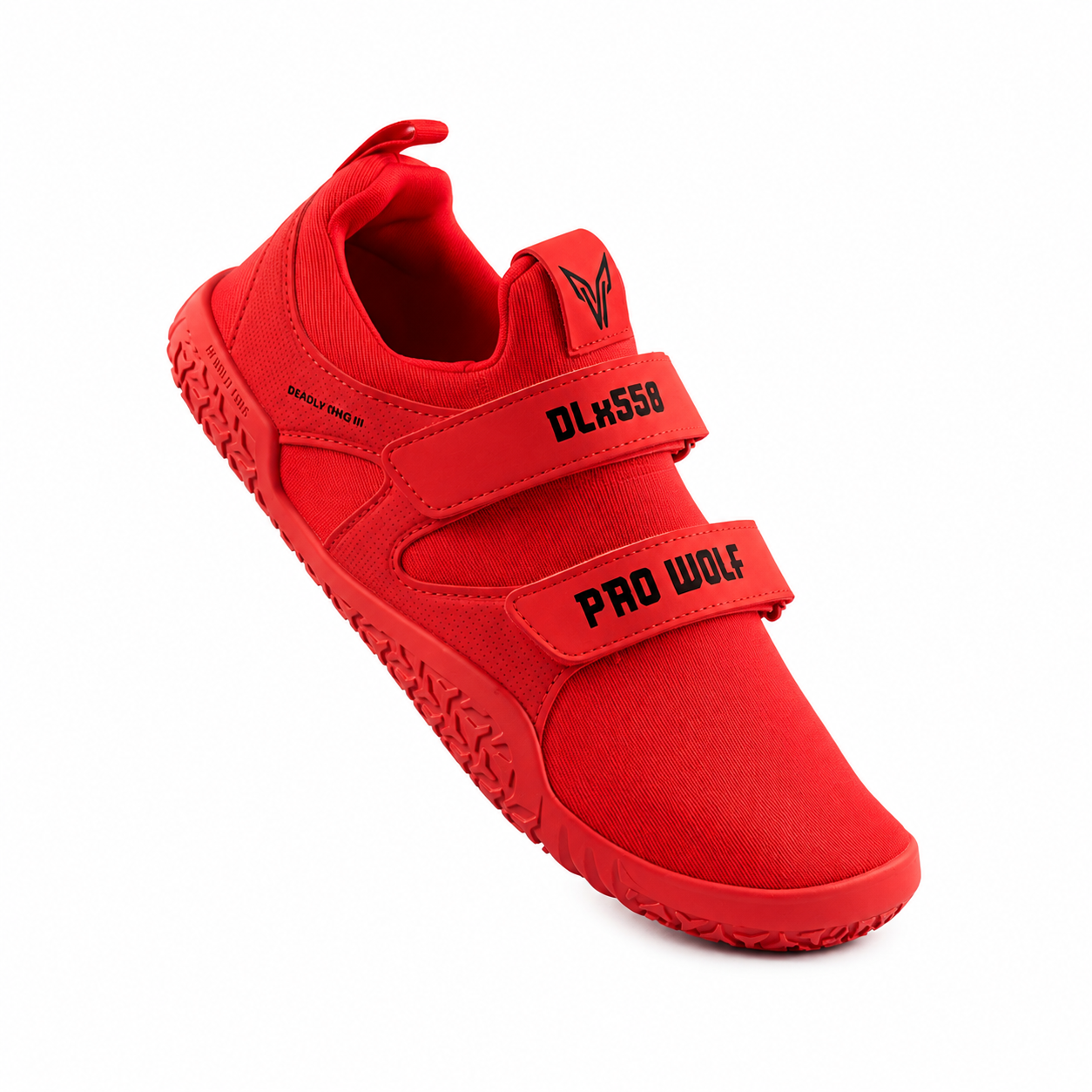
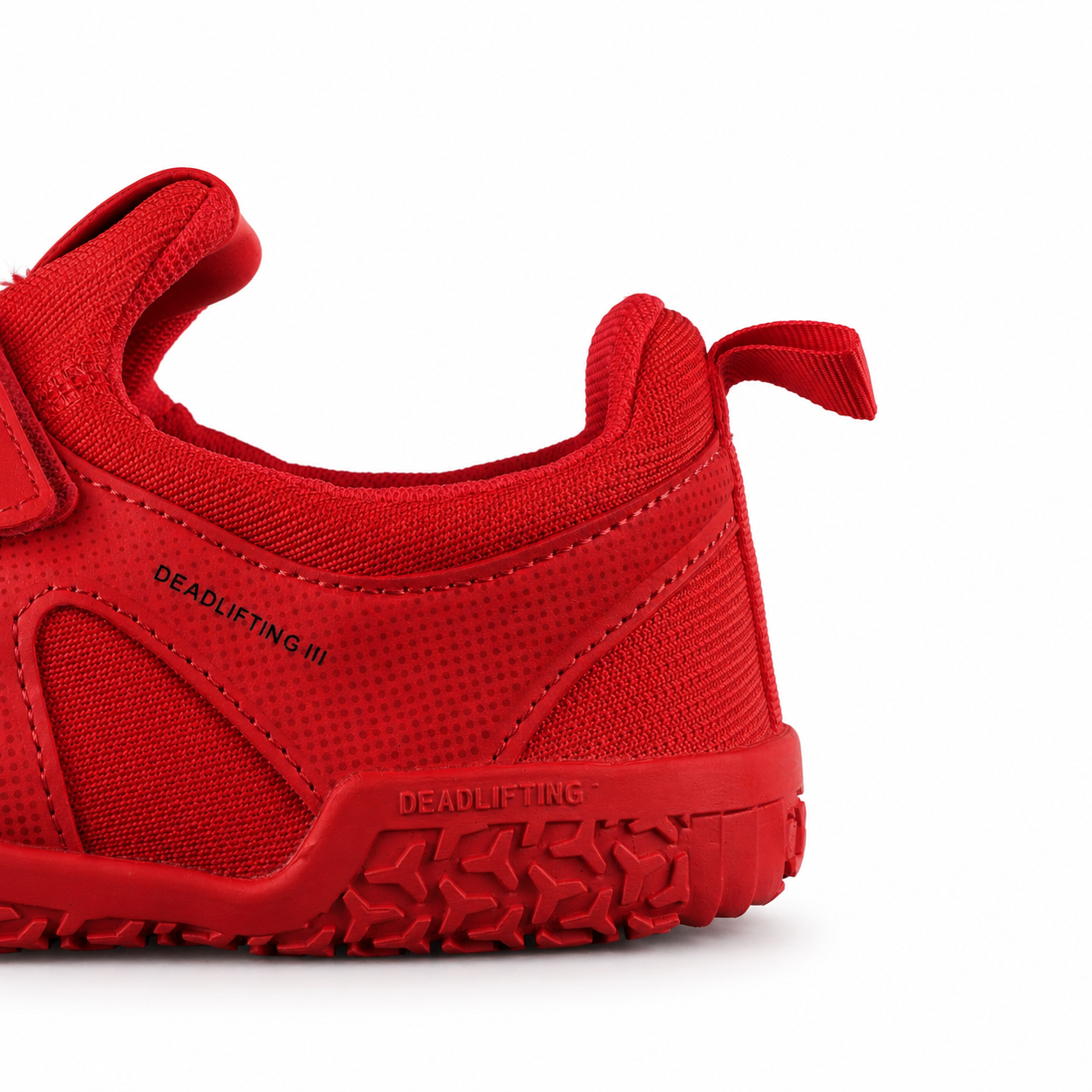
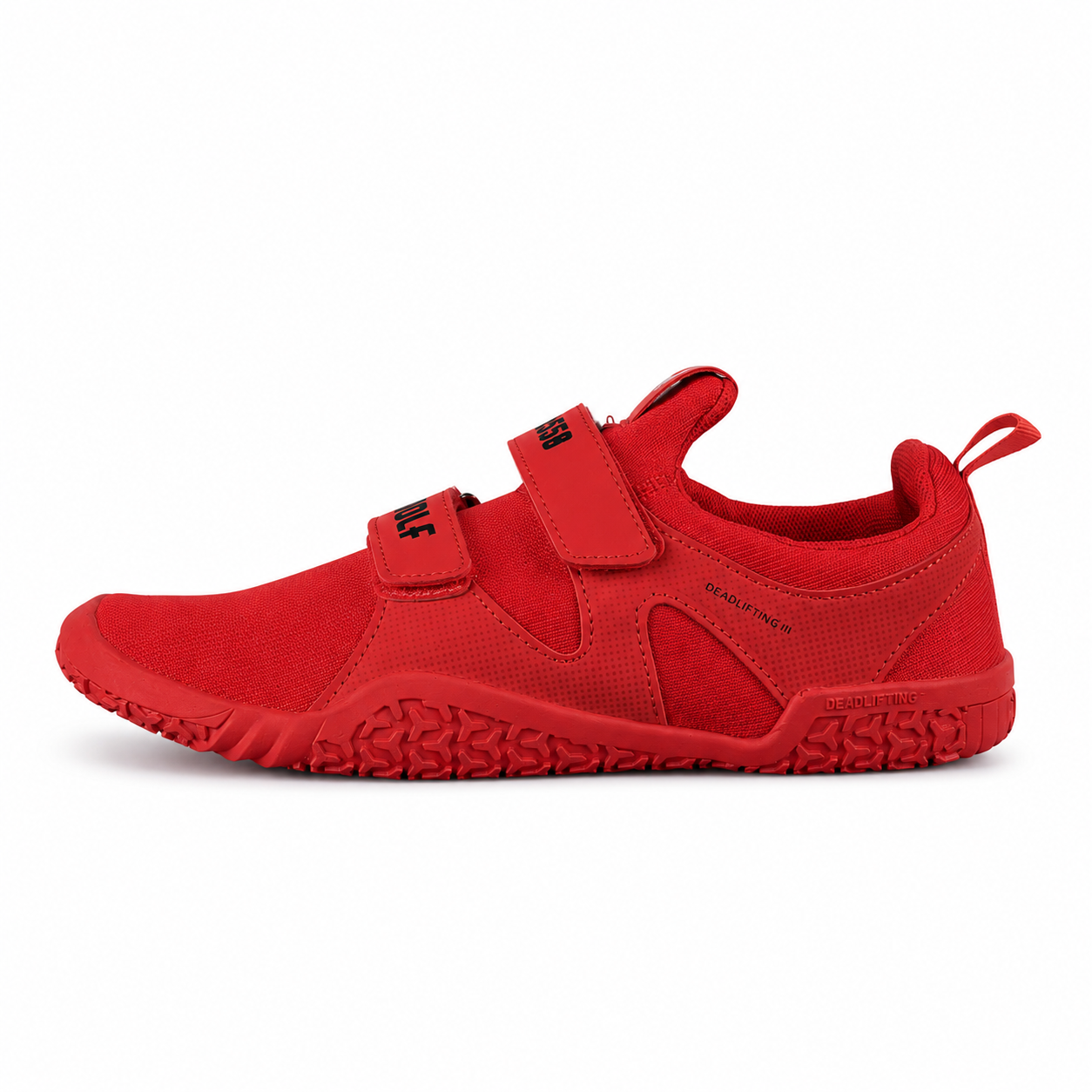
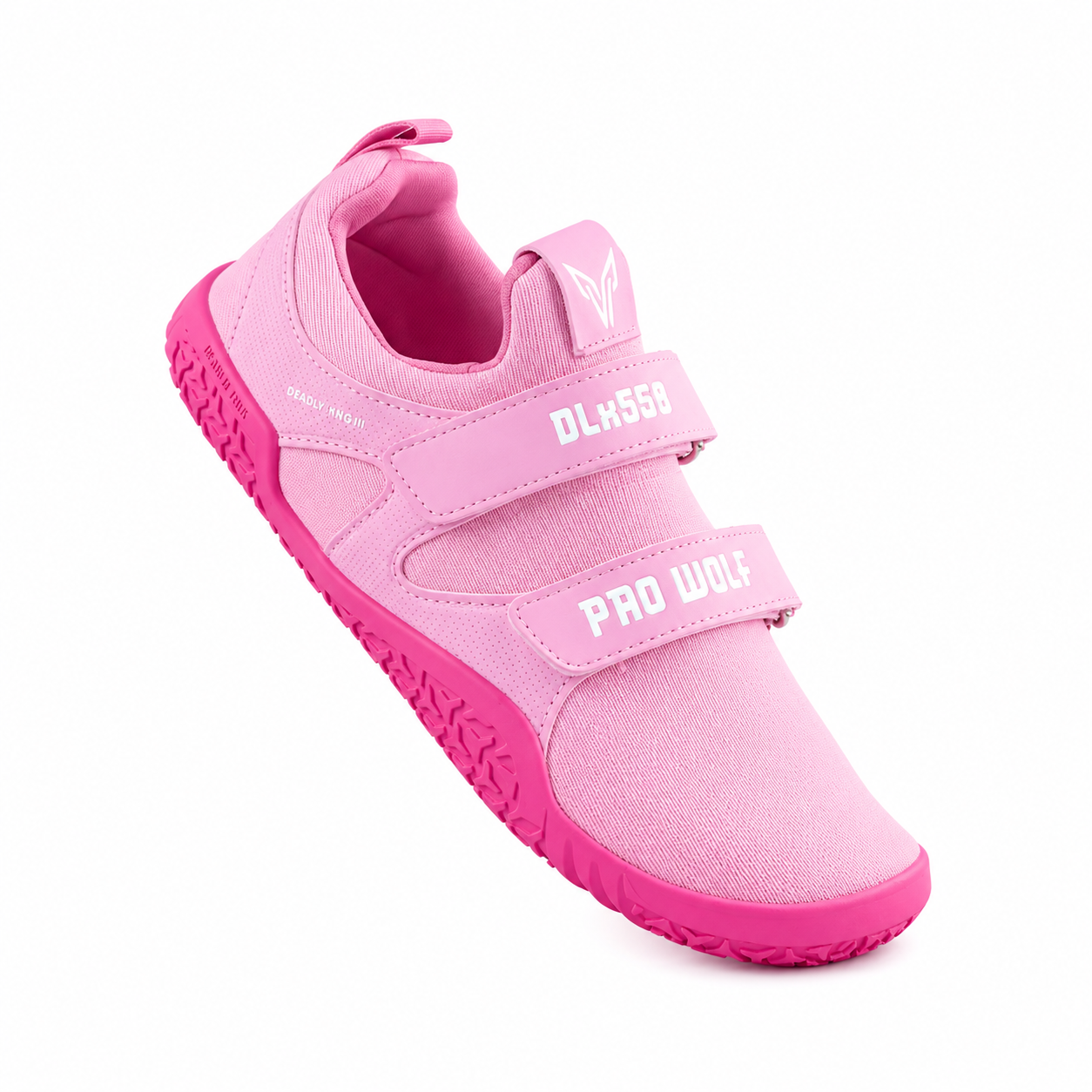
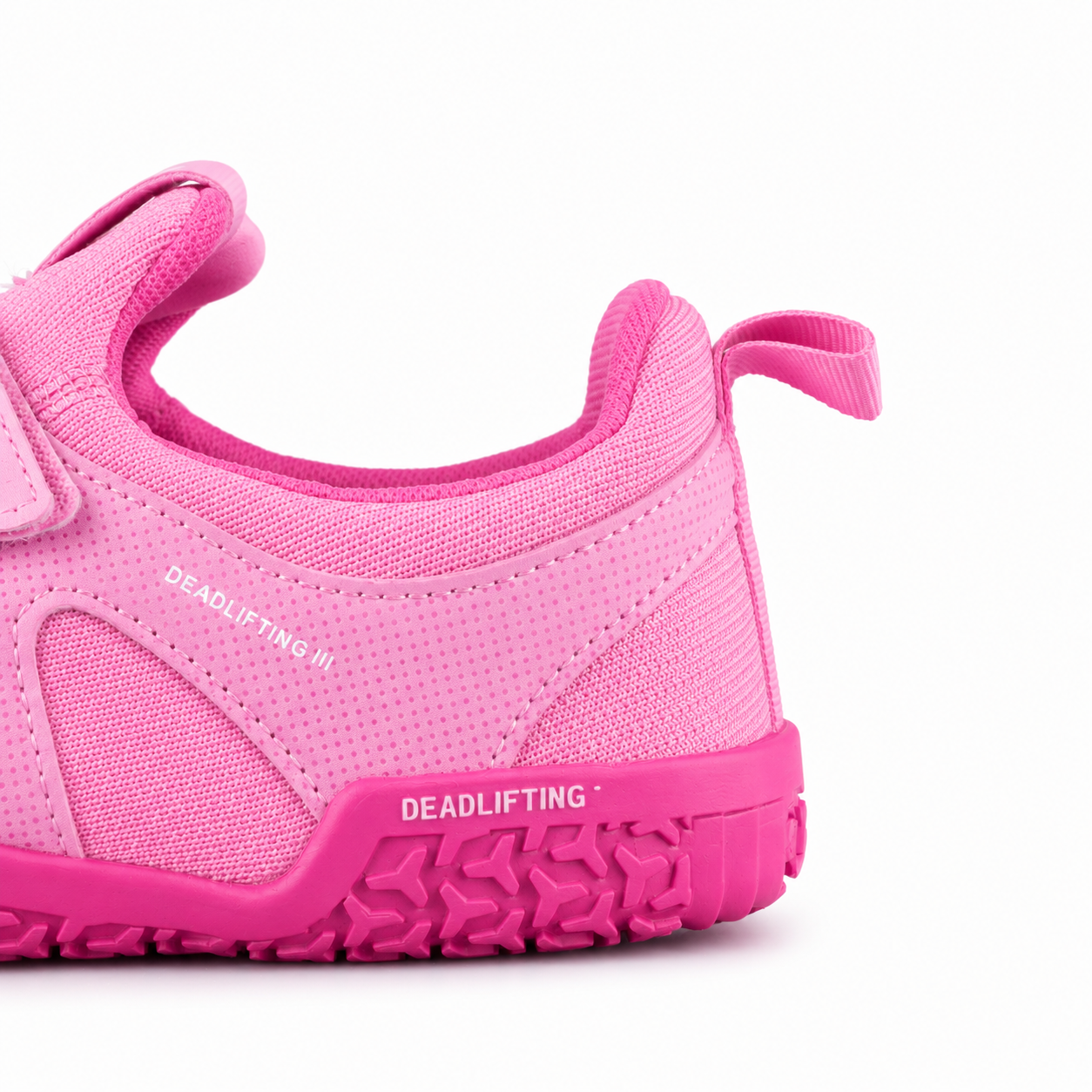
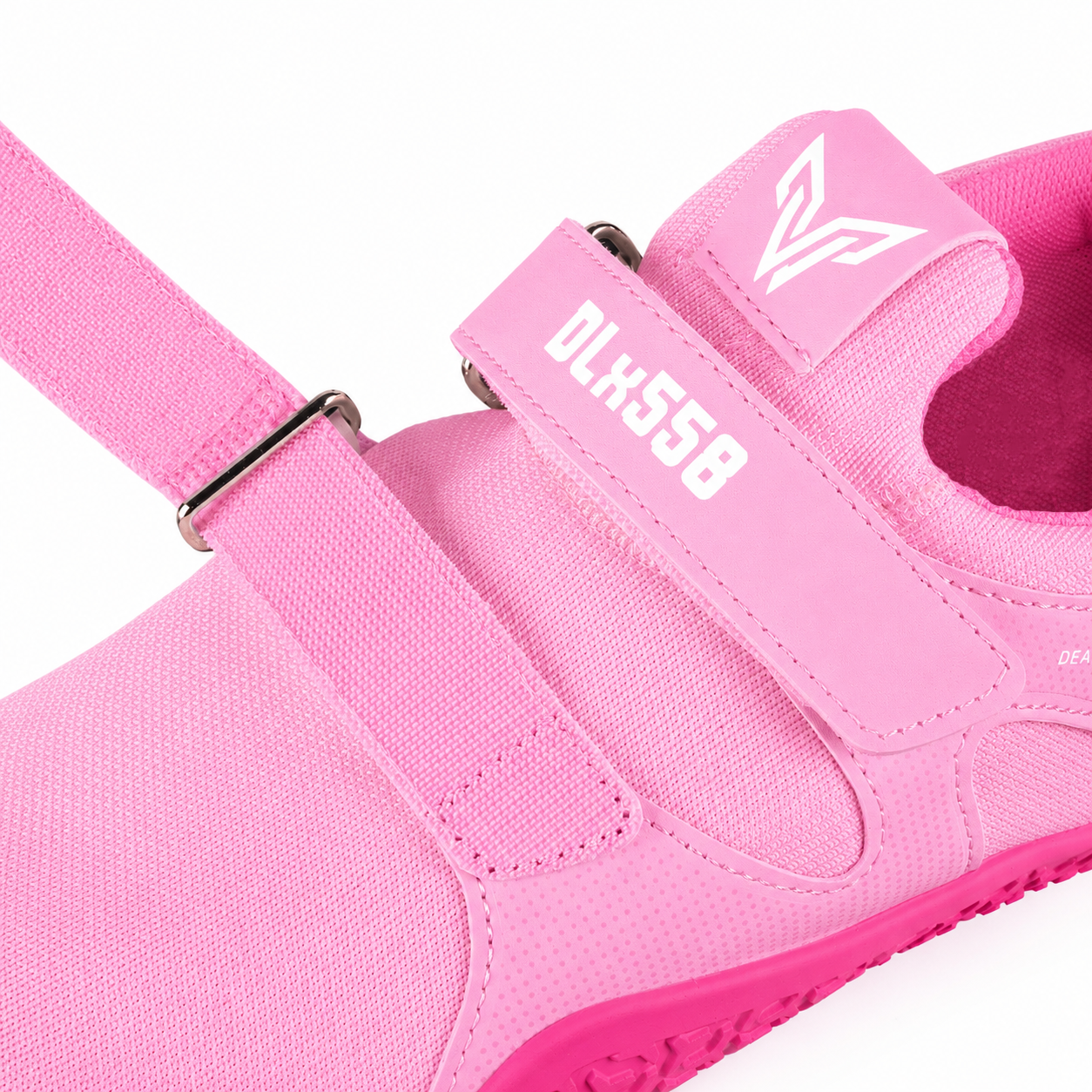
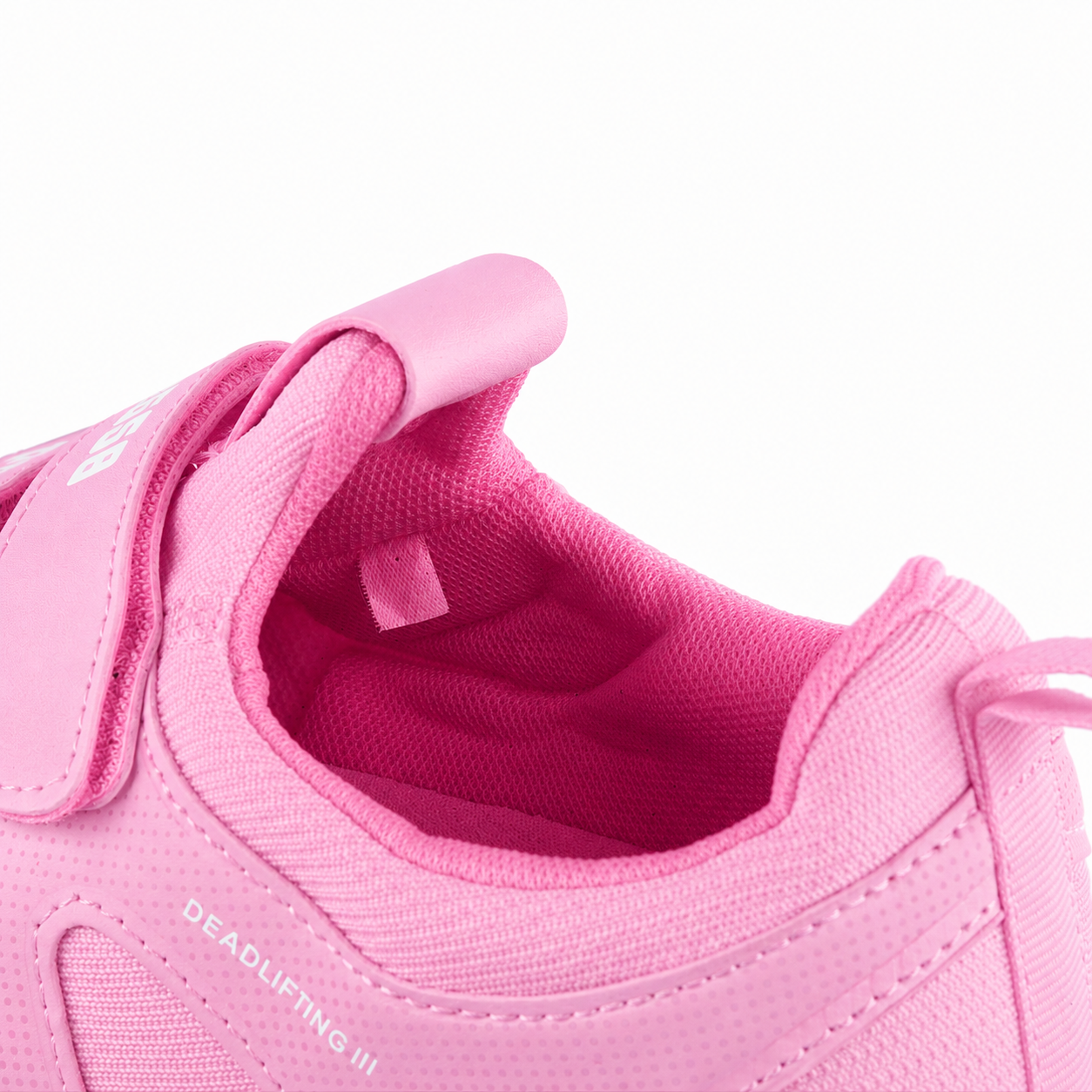
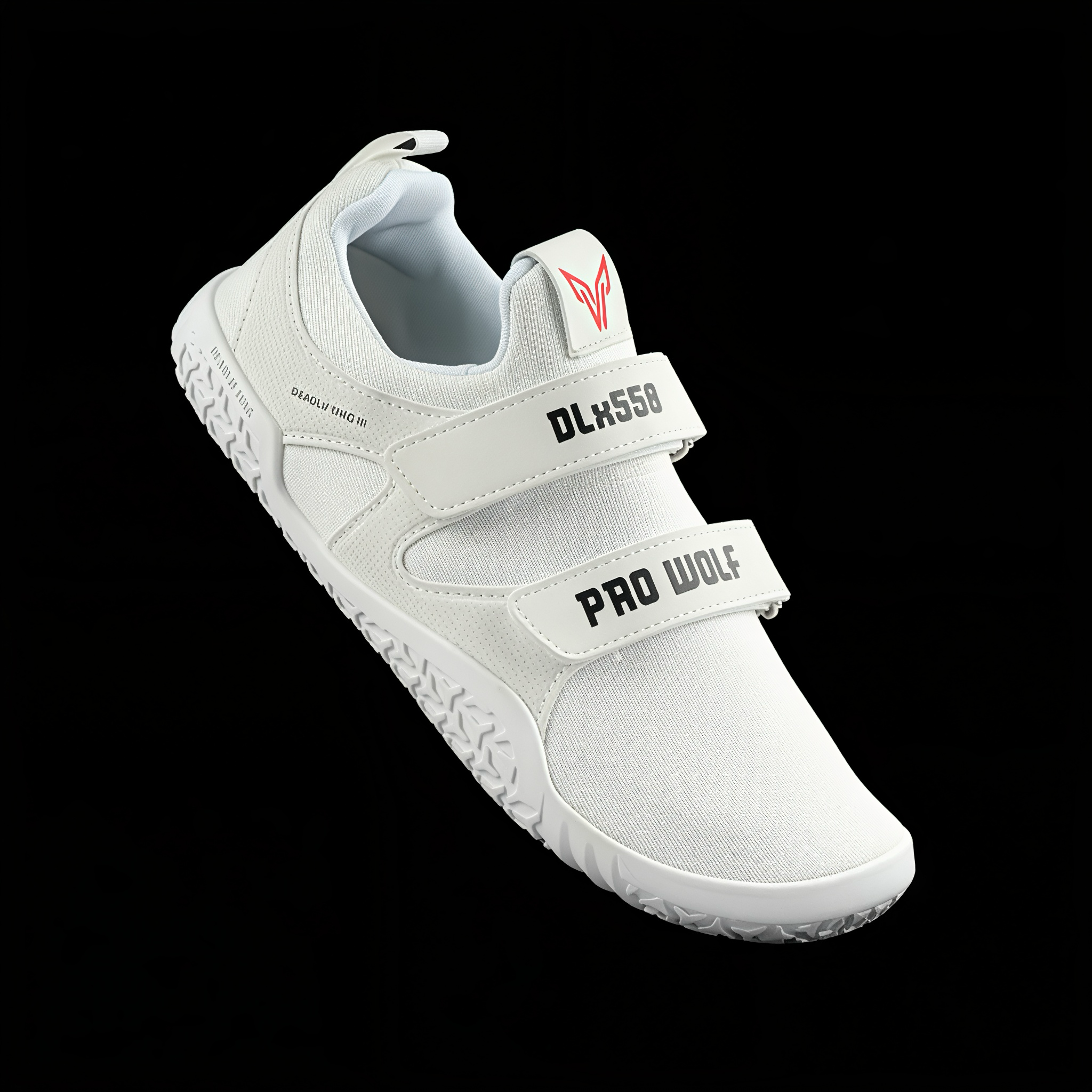
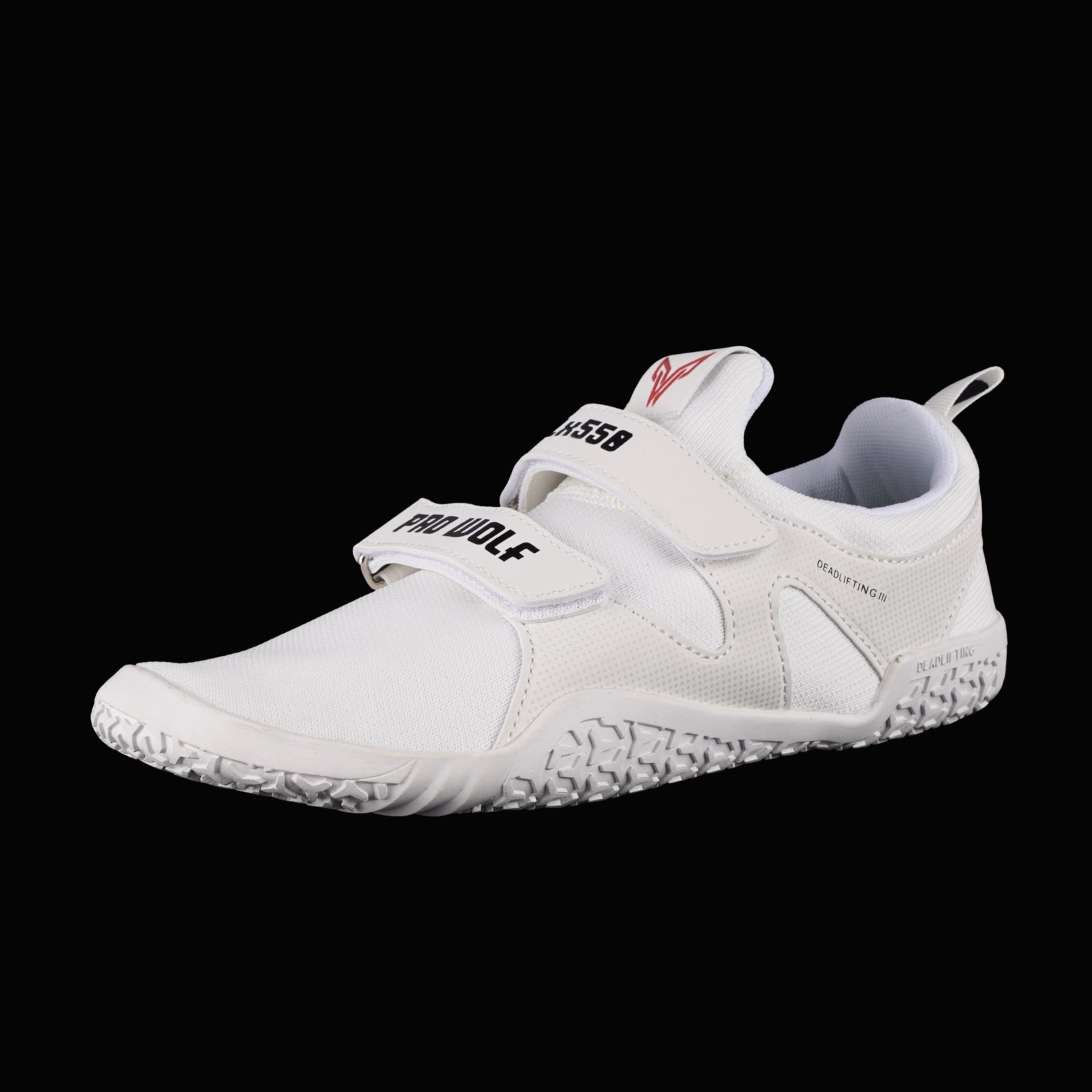
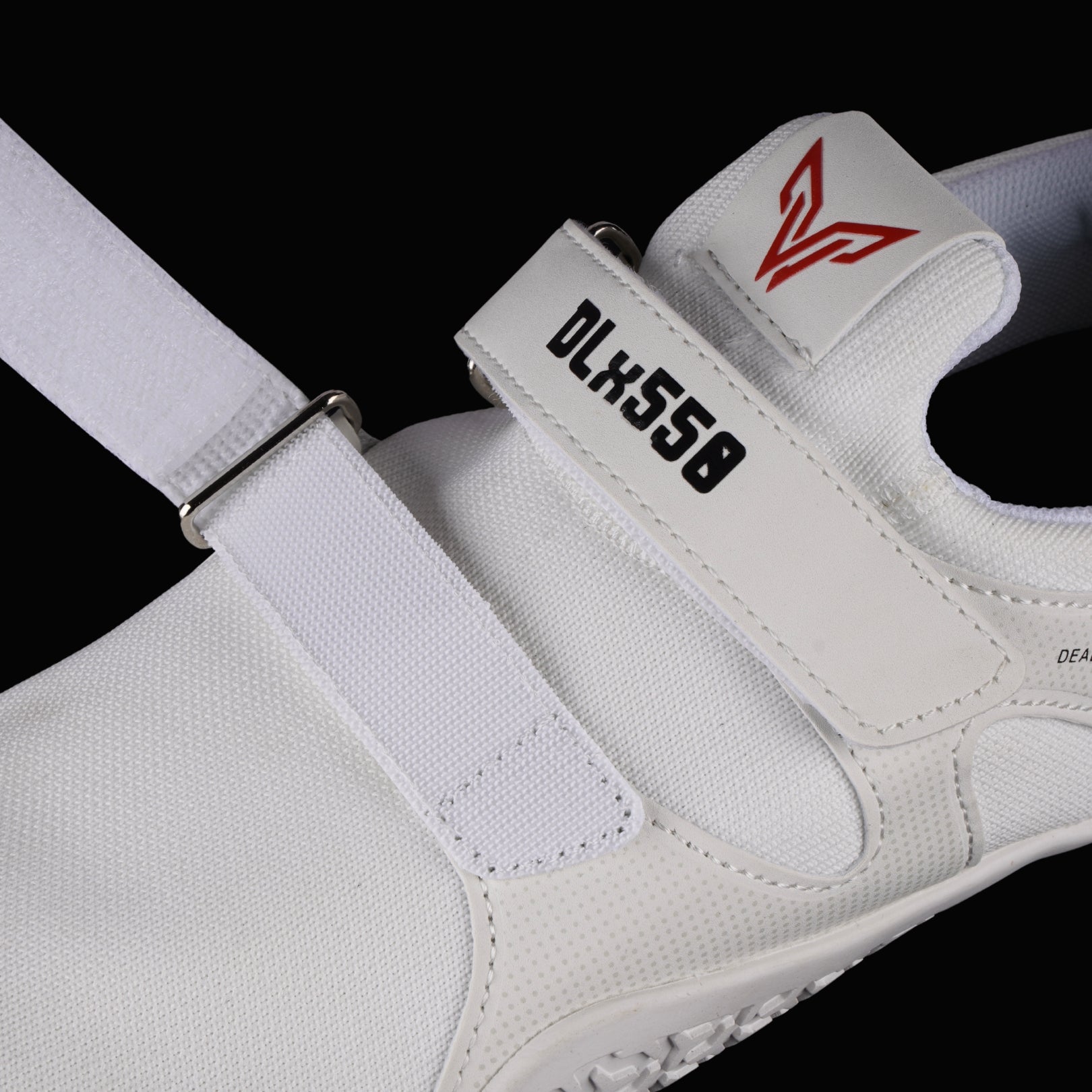
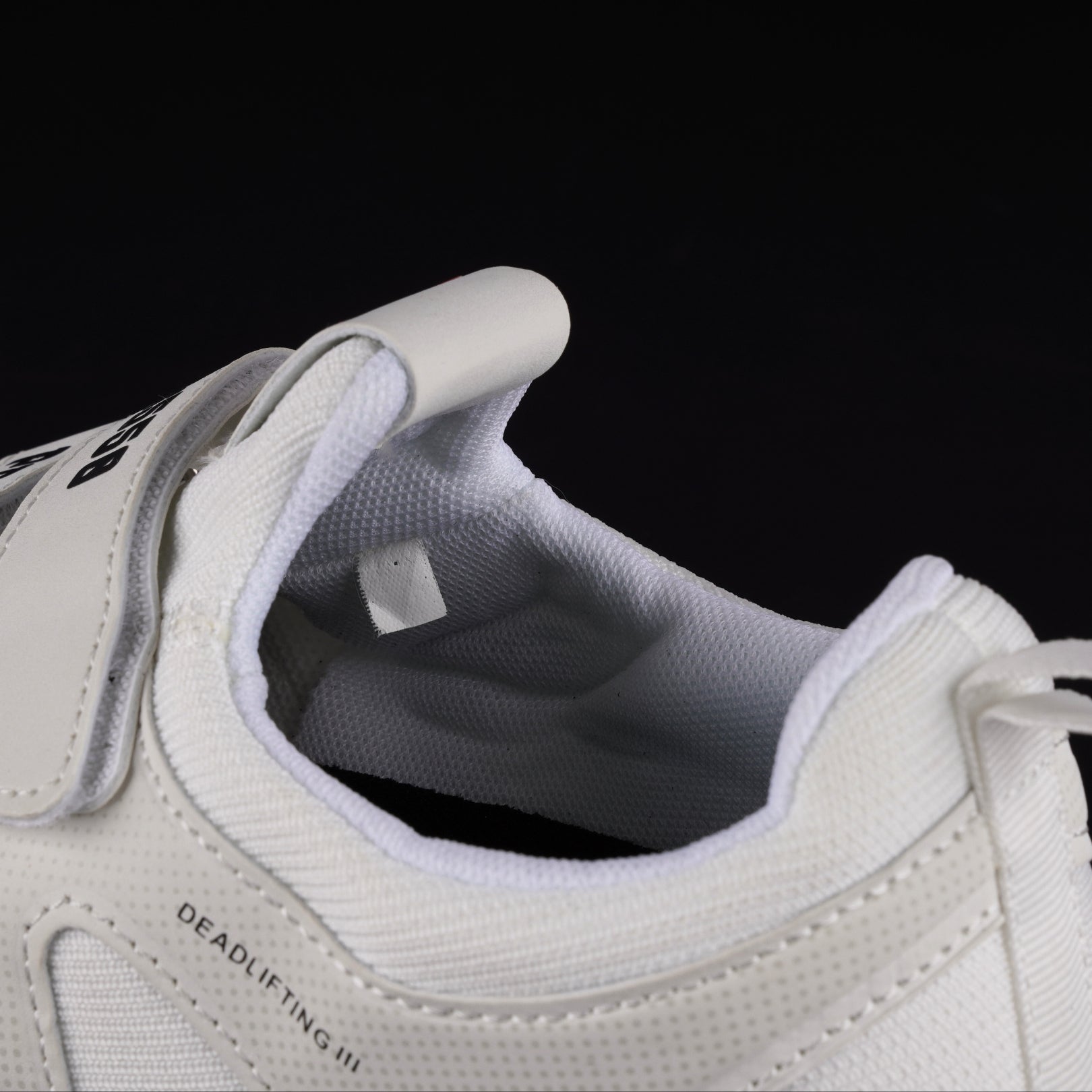
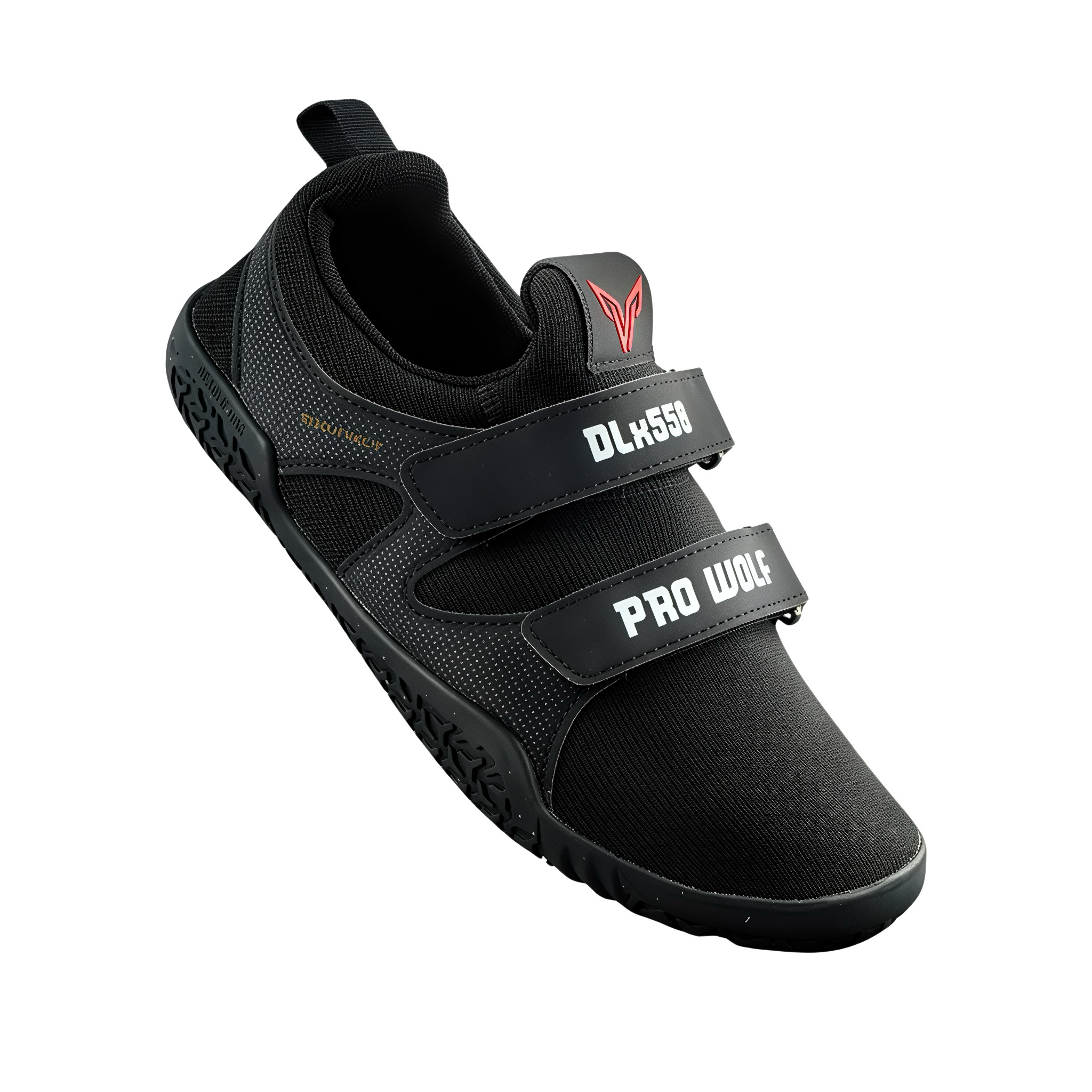
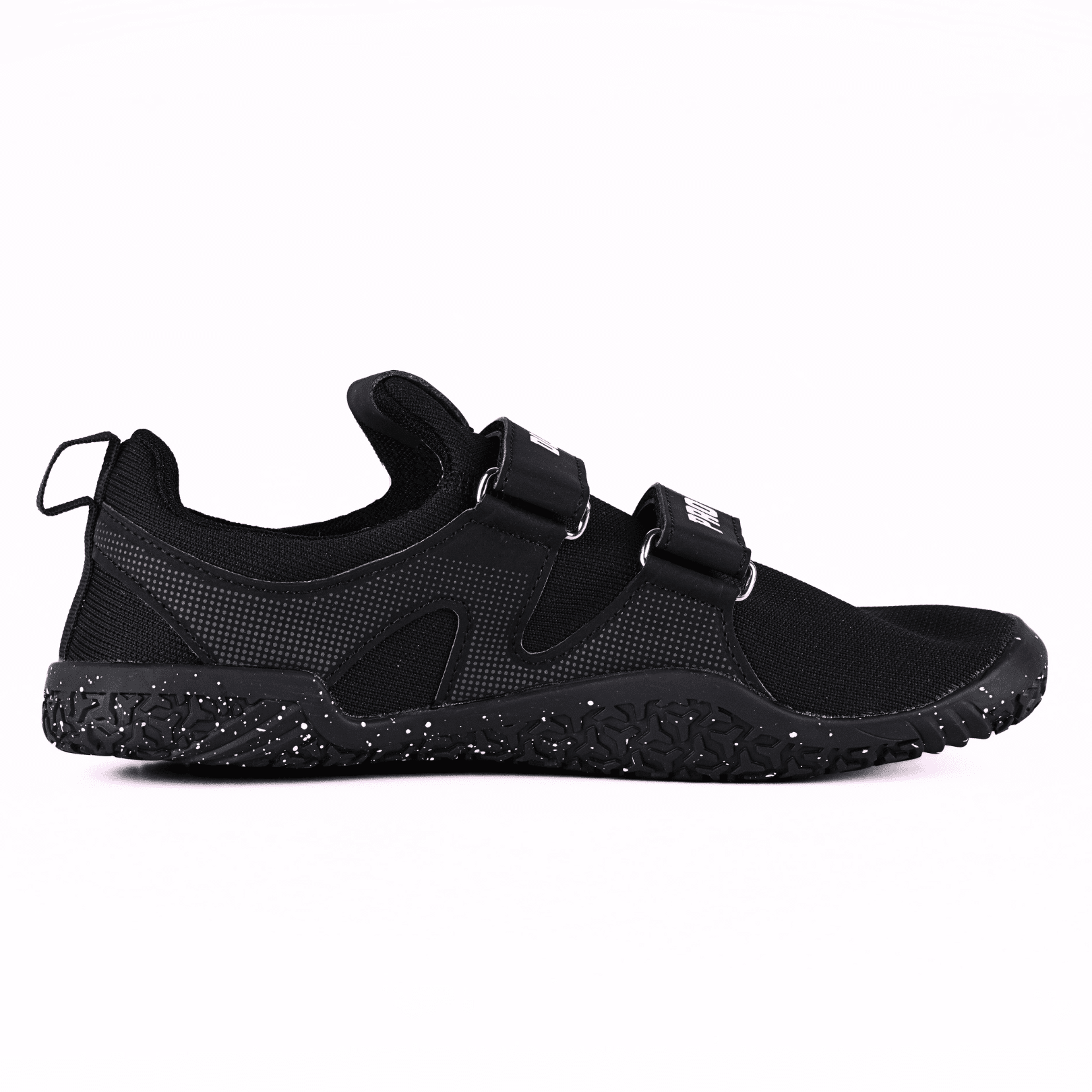
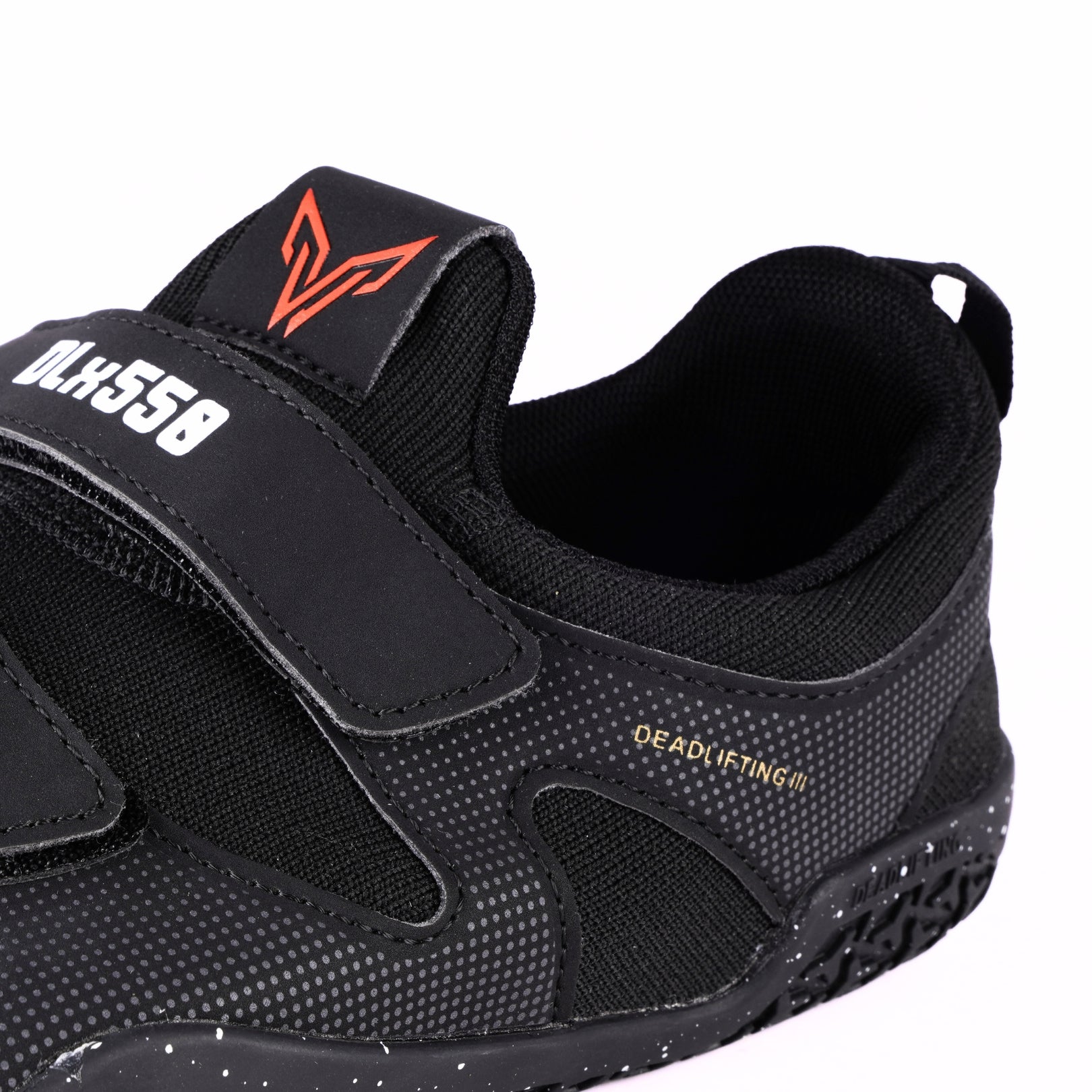
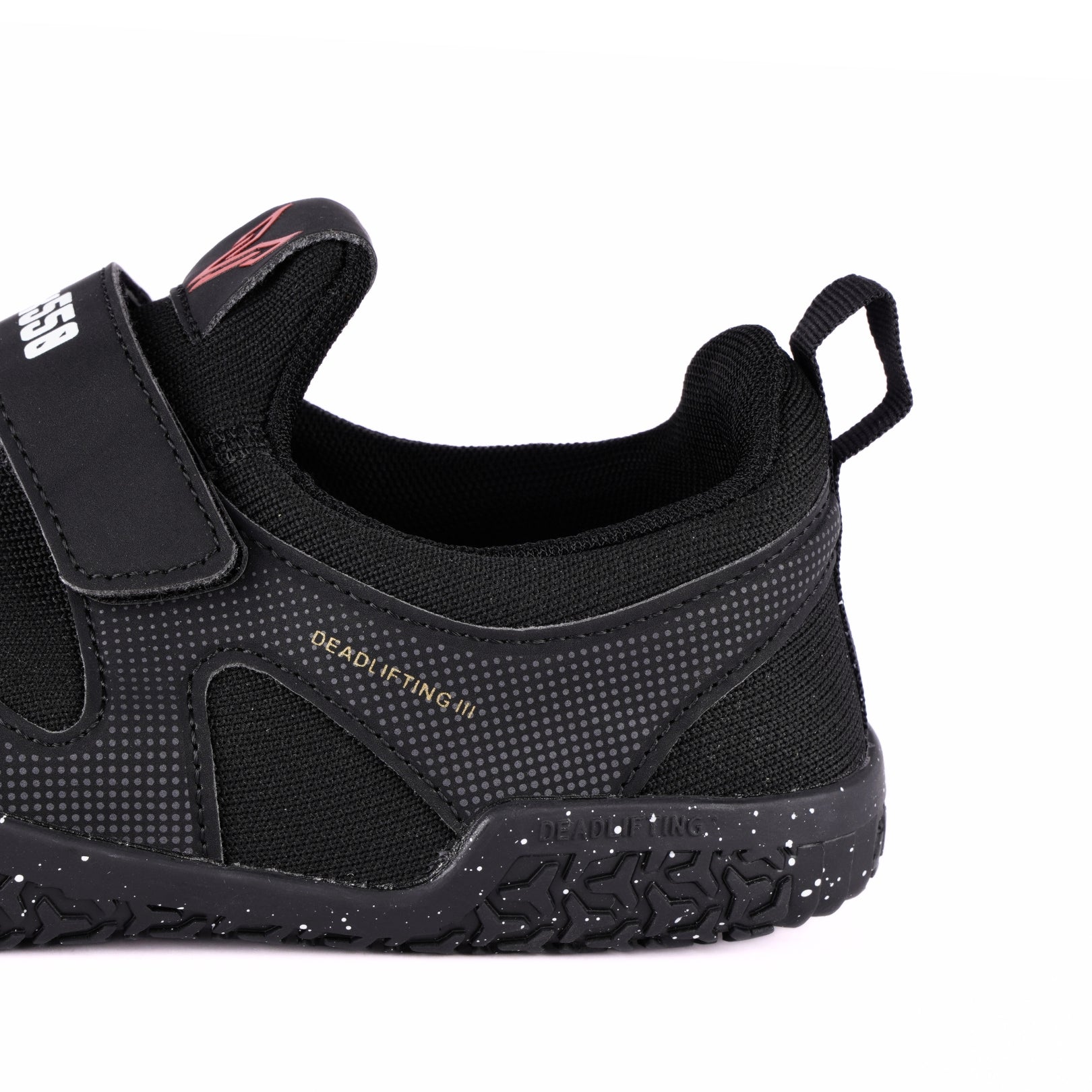
- Deadlift Shoes: Minimize wasted energy and maximize deadlift efficiency with our minimalist deadlift shoes engineered for a barefoot feel.
- Workout Shoes: Conquer any workout with our versatile training shoes that offer exceptional support, stability, and flexibility.
The right workout shoes should feel secure during movement without unnecessarily restricting natural foot motion.
Buy PRO WOLF Gym Shoes for Men
We don't compromise. Here's what sets PRO WOLF gym shoes apart:
- Unmatched Comfort: Train harder for longer with our cushioned midsoles, breathable materials, and innovative features designed to prioritize foot health and well-being.
- Superior Stability and Grip: Conquer every move with confidence thanks to our high-traction outsoles and supportive construction that keeps you grounded and stable.
- Lightweight Design: Move freely and maximize agility with our lightweight designs that won't weigh you down.
- Durability Built to Last: Invest in quality. PRO WOLF gym shoes are crafted from premium materials to withstand even the most demanding workouts.
Why the Right Gym Shoe Matters
Your footwear affects more than appearance. It can influence how confidently you move, how stable you feel, and how comfortable your feet remain throughout a session.
For strength-focused training, a stable base can be particularly useful. During dynamic workouts, flexibility and traction may become more important. For running, cushioning and forward-motion comfort typically deserve greater attention.
This is why there is no single shoe design that is ideal for every workout. The best choice depends on the exercises you perform most often and the type of movement your training involves.
What to Look for in Men's Gym Shoes
Before selecting a pair, consider several practical factors rather than choosing solely based on appearance.
Sole Structure
The sole is one of the most important components of gym footwear. A firm and stable sole can be beneficial for lifting, while a more cushioned design may be preferable for running or repeated impact.
Lifters who want a closer connection to the floor may prefer low-profile footwear. Those working on squats may prefer a raised heel depending on their technique and mobility.
Heel Height
Heel height can change the positioning of the foot during strength exercises. Weightlifting shoes often use an elevated heel to support a more upright position during squatting movements.
However, heel height should be selected according to your training needs, technique, mobility, and personal preference.
Grip
A reliable grip can help keep your feet planted during training. This matters when performing exercises that involve pushing against the ground or changing direction.
Look for an outsole that provides traction appropriate for indoor gym surfaces and your preferred training activities.
Toe Box
Toe space affects comfort and foot positioning. A restrictive toe box can make the footwear uncomfortable, especially during longer training sessions.
A suitable design should allow enough room for the toes while still providing a secure overall fit.
Upper Support
The upper should hold the foot securely without creating unnecessary pressure. During lifting, a supportive upper can help prevent excessive movement inside the shoe.
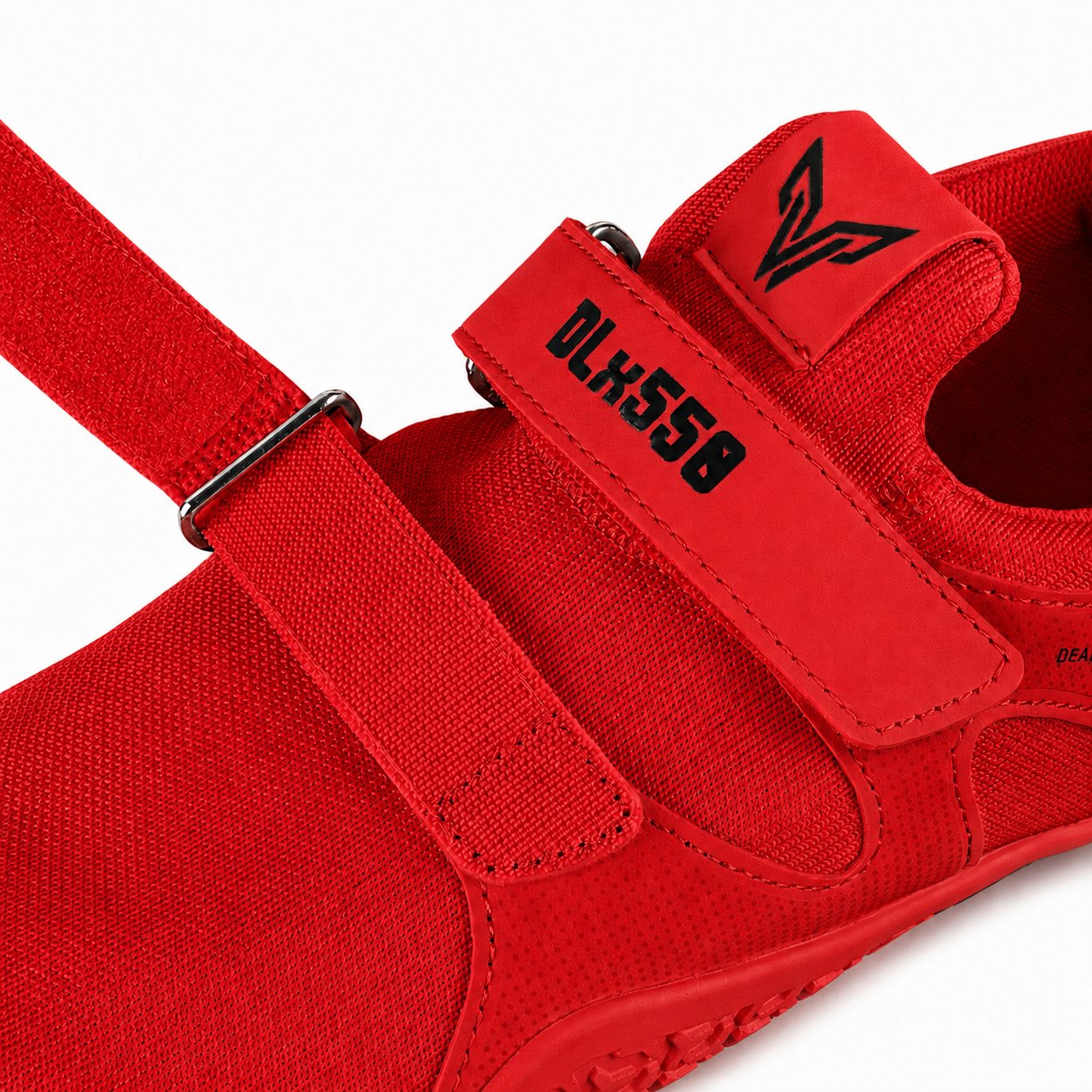
Adjustable straps, lacing systems, or other fastening features can help users achieve a more secure fit.
Workout Shoes for Men for Different Training Styles
Different workouts call for different footwear characteristics. Someone performing primarily resistance training may have different requirements from someone who combines treadmill running, circuits, and functional exercises.
For mixed training, look for a balanced design that offers grip, comfort, flexibility, and adequate support. If your routine is heavily focused on lifting, stability should receive greater consideration.
For circuit-style workouts, flexibility and traction can be especially useful because exercises may change quickly. For longer cardio sessions, cushioning and breathability may become more important.
The goal is to match the shoe with the movement rather than choosing footwear based only on its appearance or popularity.
Training Shoes for Men for Regular Gym Sessions
Training footwear is generally designed for a broader range of movements than specialized lifting shoes. It can be useful for sessions involving resistance exercises, bodyweight movements, conditioning, and mobility work.
If your gym routine changes from day to day, a versatile training shoe can make practical sense. It can provide the support needed for strength exercises while retaining enough flexibility for other movements.
However, dedicated lifting shoes may still be preferable if your primary goal is strength sports or technical weightlifting.
When to Choose a flat shoe for gym
A flat platform can be useful for exercises where maintaining a stable connection with the ground is important. Deadlifts are a common example because many lifters prefer a minimal distance between their feet and the floor.
Flat footwear can also provide a consistent base for certain strength exercises. However, the best sole profile depends on your lifting style, body mechanics, mobility, and individual preference.
A flat shoe should not simply be selected because it is popular. Consider how the sole affects your setup and whether it supports your technique.
Understanding flat sole shoes gym Requirements
Flat-soled footwear is often associated with strength training because of its stable, low-profile construction. The reduced sole height can provide a closer-to-the-ground sensation compared with highly cushioned athletic shoes.
This characteristic can be useful for exercises where balance and ground contact are priorities. However, flat footwear is not automatically the best choice for running or high-impact activities.
When buying a pair, consider the exercises you perform most often. If your sessions include a combination of lifting and cardio, a versatile training design may be more appropriate than a dedicated flat lifting shoe.
Choosing Footwear for Weight Training
Weight training includes a wide range of movements, from machines and dumbbells to squats, deadlifts, presses, and Olympic lifts.
For general resistance training, stable footwear with dependable traction can be a practical choice. For squats and technical lifts, some lifters may prefer a raised heel. For deadlifts, a low-profile sole may be more suitable.
Your training experience also matters. Beginners should prioritize secure fit, comfort, stability, and appropriate movement rather than selecting footwear based solely on advanced lifting specifications.
When to buy men weightlifting shoes online
Online shopping makes it easier to compare different shoe designs, sole profiles, sizes, and intended uses before making a purchase. However, it is important to review the product specifications and sizing information carefully.
Before placing an order, check:
- Intended training activity
- Heel height and sole construction
- Available sizes
- Toe-box design
- Fastening system
- Upper material
- Outsole construction
- Return or replacement information
- Product-specific care instructions
Selecting the right size is particularly important. Your foot should feel secure without excessive compression, and your heel should remain stable during movement.
Should You Choose heavy weight shoes?
Heavier footwear is not necessarily better for gym training. The appropriate weight depends on the purpose of the shoe.
Specialized lifting footwear may use a structured construction to prioritize stability, while general training shoes may be lighter to support movement. If your sessions involve frequent changes in direction, jumps, conditioning, or cardio, excessive weight may feel restrictive.
For strength-focused sessions, however, stability and construction may be more important than achieving the lowest possible shoe weight.
The better approach is to select footwear based on performance requirements instead of assuming that heavier construction automatically means better support.
Flat Sole Shoes Gym Benefits for Strength Training
A low-profile, flat sole can help create a stable platform for certain strength exercises. Because the foot remains closer to the ground, some lifters find this type of footwear useful when performing movements such as deadlifts.
The benefit depends on the exercise and the user's technique. A flat sole may be useful for one movement while a raised heel may be preferred for another.
This is why a training shoe should be selected according to your dominant exercises rather than using one design for every type of session.
How to Find the Right Fit
A good fit is essential for both comfort and performance. Even a technically advanced gym shoe may not feel suitable if the size or shape does not match your foot.
When trying or ordering gym footwear, pay attention to the following:
- Your toes should have adequate room to move naturally.
- Your heel should remain securely positioned.
- The shoe should not create painful pressure points.
- The upper should hold the foot without excessive tightness.
- The sole should feel stable on the intended training surface.
- The shoe should suit the socks you normally wear during training.
If you are between sizes, refer to the manufacturer's sizing information instead of relying only on your usual footwear size.
Gym Shoes for Strength and Conditioning
Strength and conditioning sessions can involve multiple movement patterns within the same workout. A typical session may include squats, lunges, rowing, sled work, bodyweight exercises, or short conditioning intervals.
For this type of routine, versatile footwear can be beneficial. You need enough stability for loaded movements without sacrificing mobility during faster exercises.
A balanced design can therefore be more practical than highly specialized footwear when your training program covers several disciplines.
Gym Footwear for Beginners
New gym users often start with a combination of resistance training, cardio, machines, and basic functional exercises. A versatile pair can be a sensible first choice.
Prioritize comfort, secure fit, grip, and stability. Once your training becomes more specialized, you can consider dedicated footwear for weightlifting, powerlifting, deadlifting, or running.
Beginners should also avoid selecting shoes solely because they look like professional competition footwear. The best pair is the one that matches the movements they actually perform.
Gym Footwear for Experienced Lifters
Experienced lifters generally understand which movements make up most of their training. This makes it easier to choose specialized footwear.
Powerlifters may prioritize a firm base and appropriate heel height. Olympic lifters may look for a secure fit and structured platform. Deadlifters may prefer minimal sole height.
The right footwear can complement a consistent training setup by giving the lifter a familiar and repeatable base for movement.
Caring for Your Gym Shoes
Regular care can help maintain the condition of your footwear. After training, allow shoes to air out rather than placing them immediately inside a closed gym bag.
Keep the footwear away from unnecessary moisture and clean the upper and outsole according to the manufacturer's care recommendations.
Avoid using specialized lifting shoes for activities that can unnecessarily accelerate wear. Using footwear according to its intended purpose can help preserve its construction for longer.
Gym Shoes vs. Regular Sports Shoes
Regular sports shoes are often designed around general comfort and movement, while specialized gym footwear may prioritize specific training requirements.
For example, a highly cushioned running shoe can feel comfortable while jogging but may not provide the firm platform some lifters prefer for heavy strength exercises.
Similarly, a rigid lifting shoe may be excellent for squats but less suitable for long-distance running.
The key difference is purpose. Select footwear according to the movements and training environment in which you will use it most.
Why Specialized Footwear Can Improve Your Training Setup
Training consistency is not only about exercise selection and programming. Small equipment choices can also influence how comfortable and prepared you feel during a workout.
A stable pair of shoes can make your setup more predictable. A secure fit can reduce distractions. Appropriate traction can provide confidence when pushing through the floor.
These benefits do not replace proper technique or training guidance, but suitable footwear can complement a well-structured fitness routine.
Finding the Right PRO WOLF Shoe
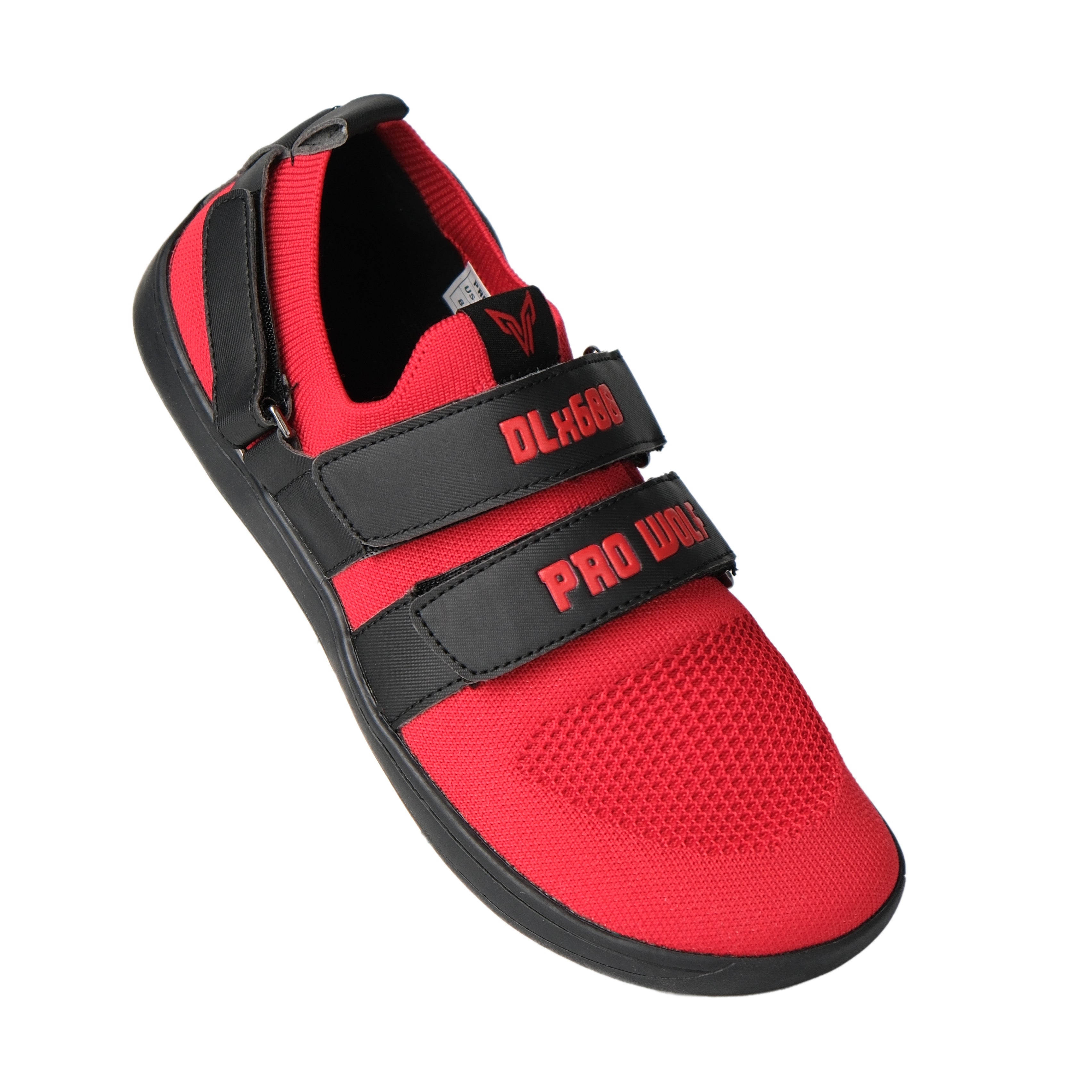
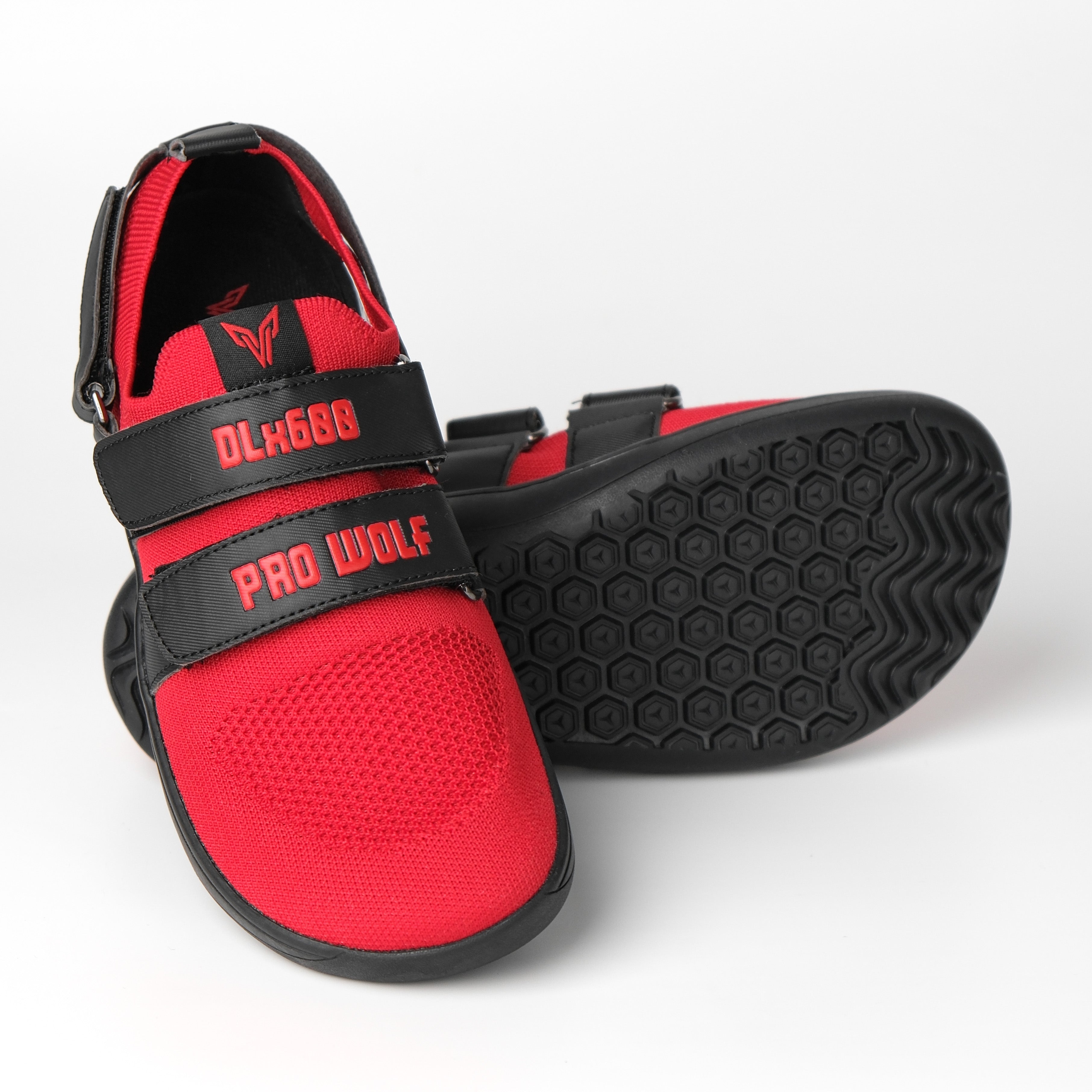
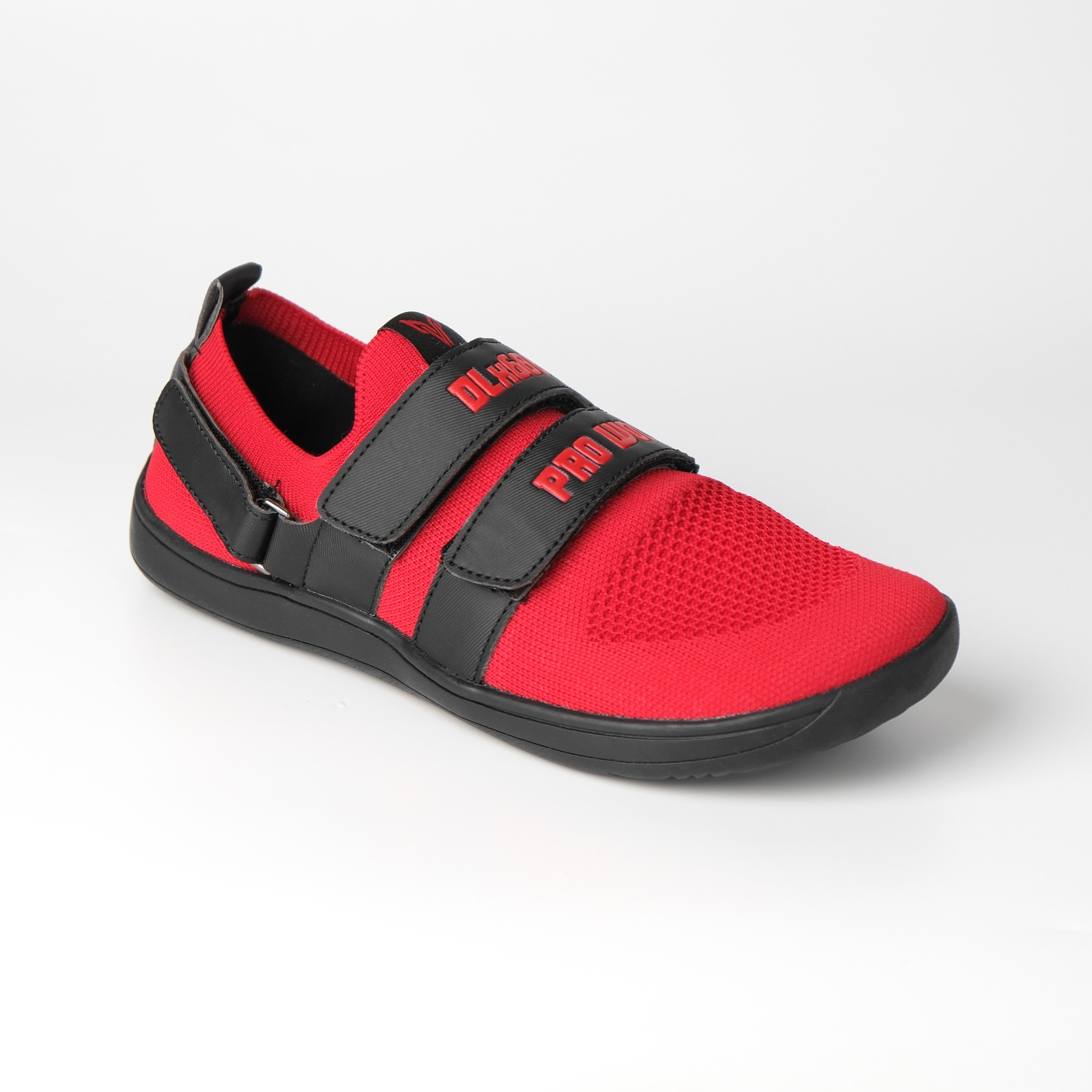
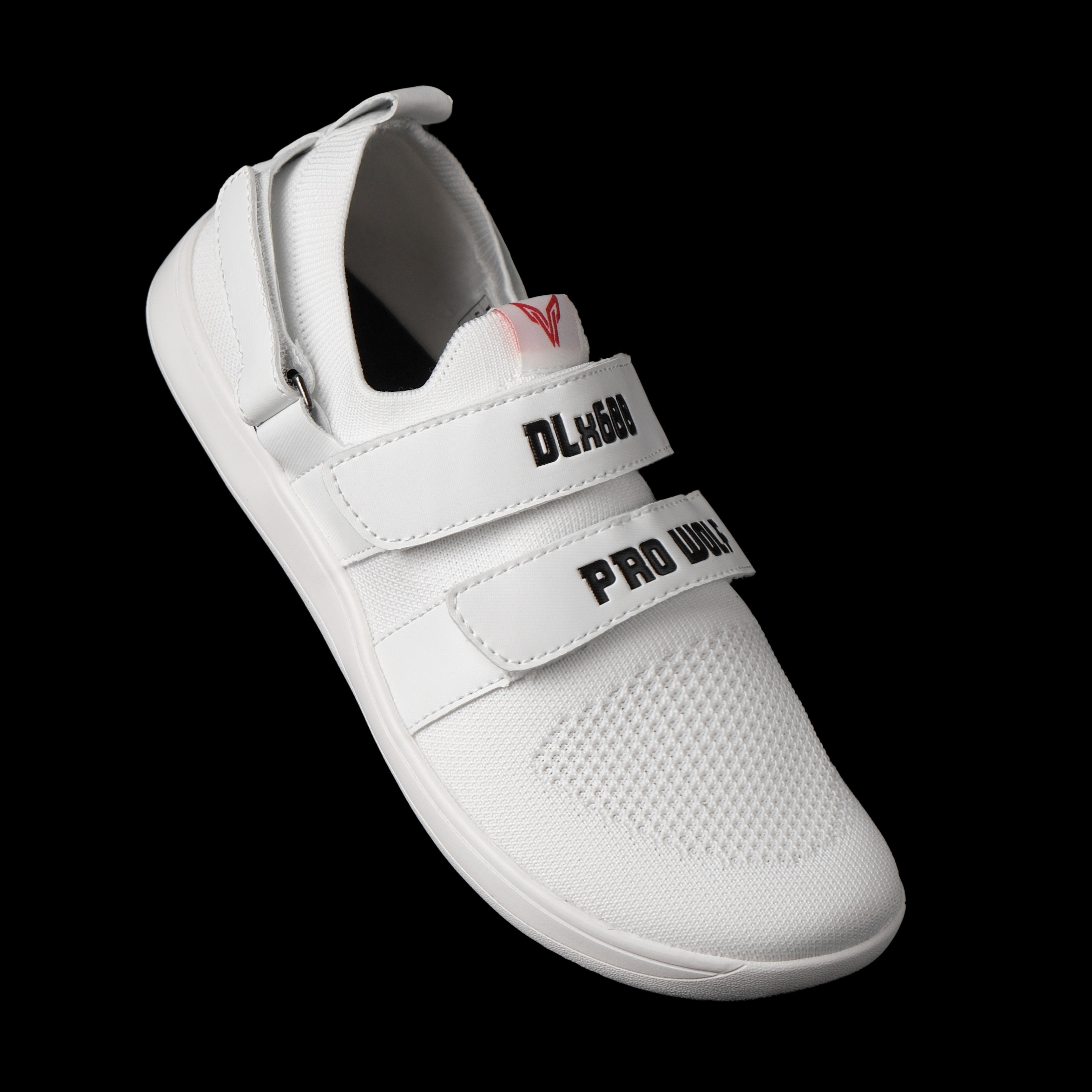
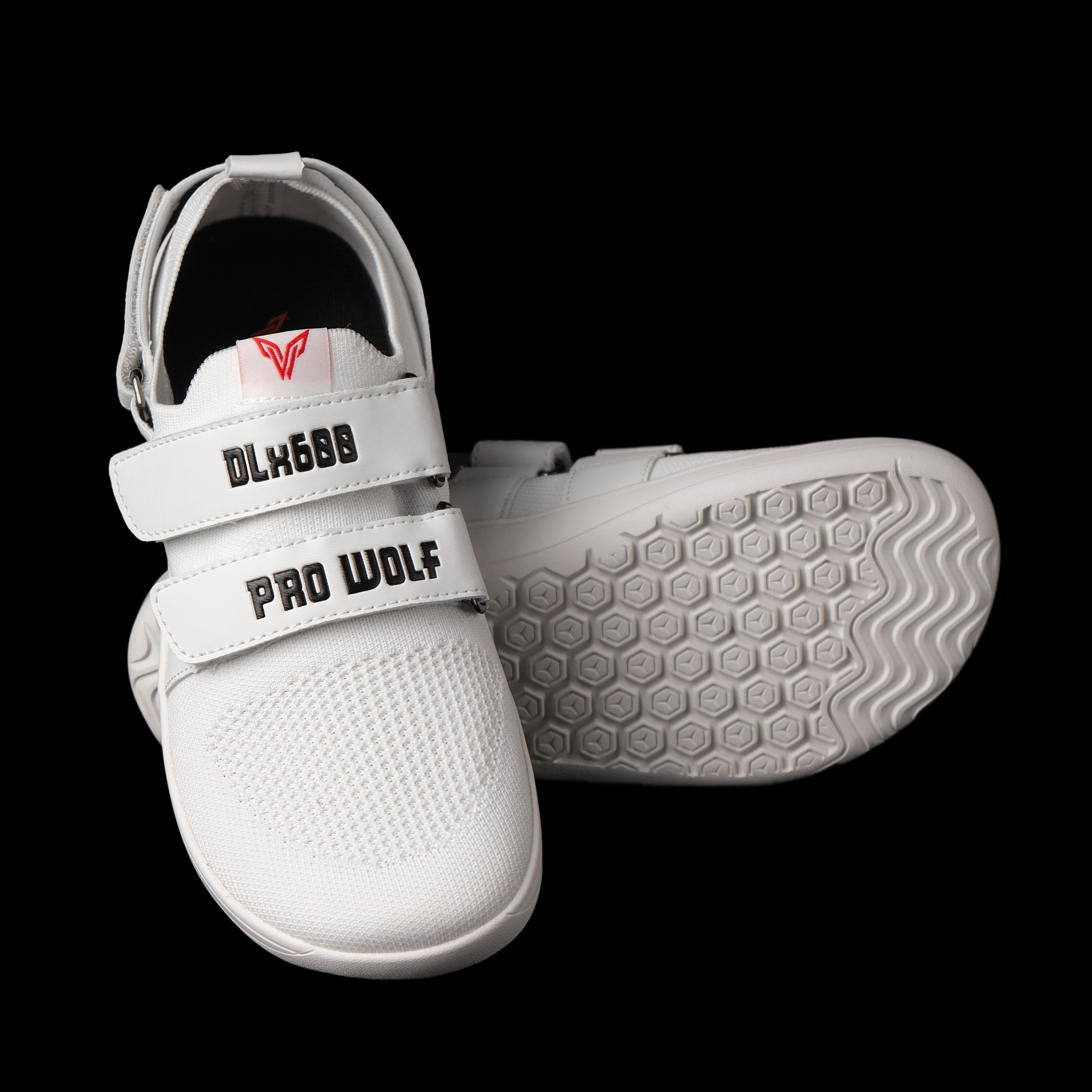
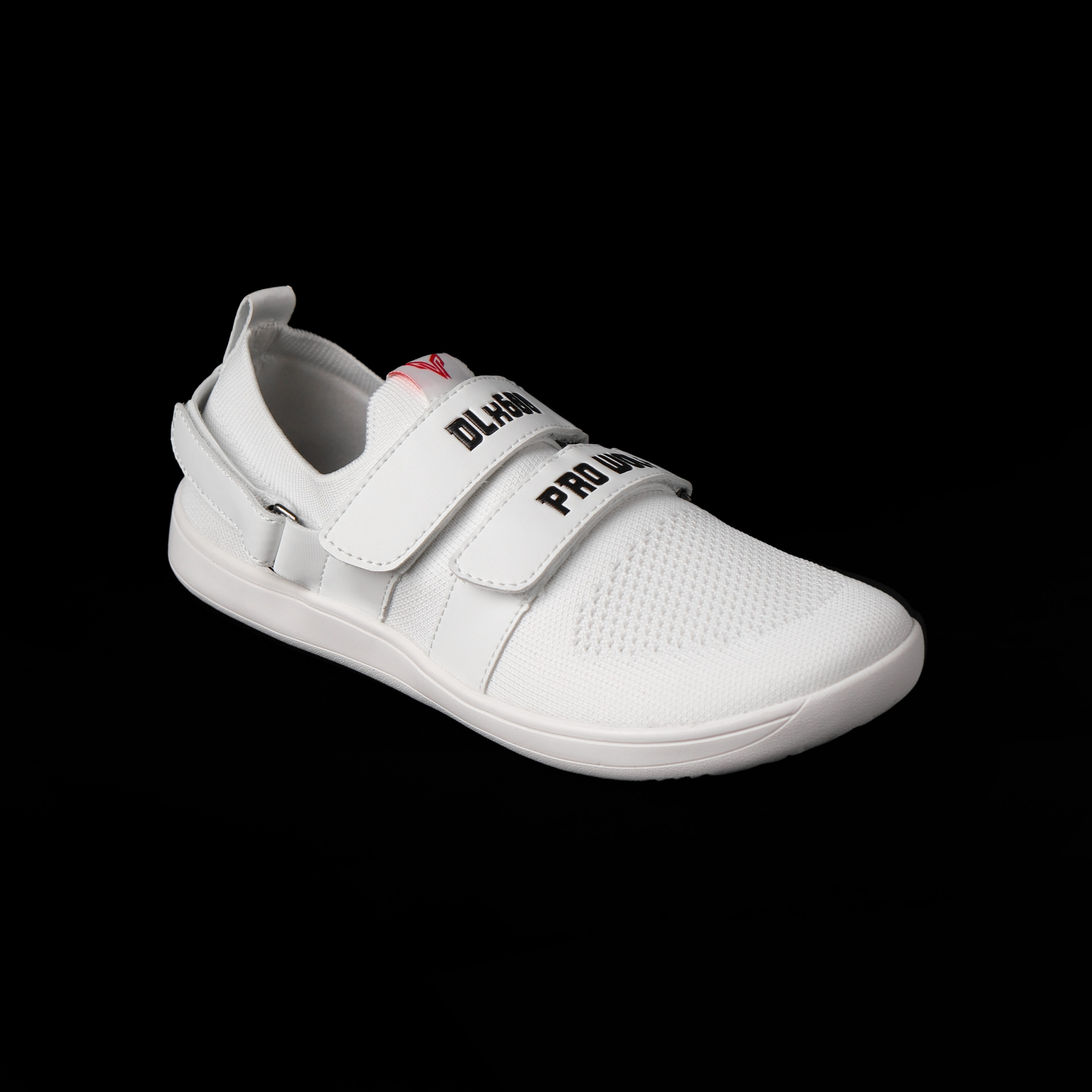
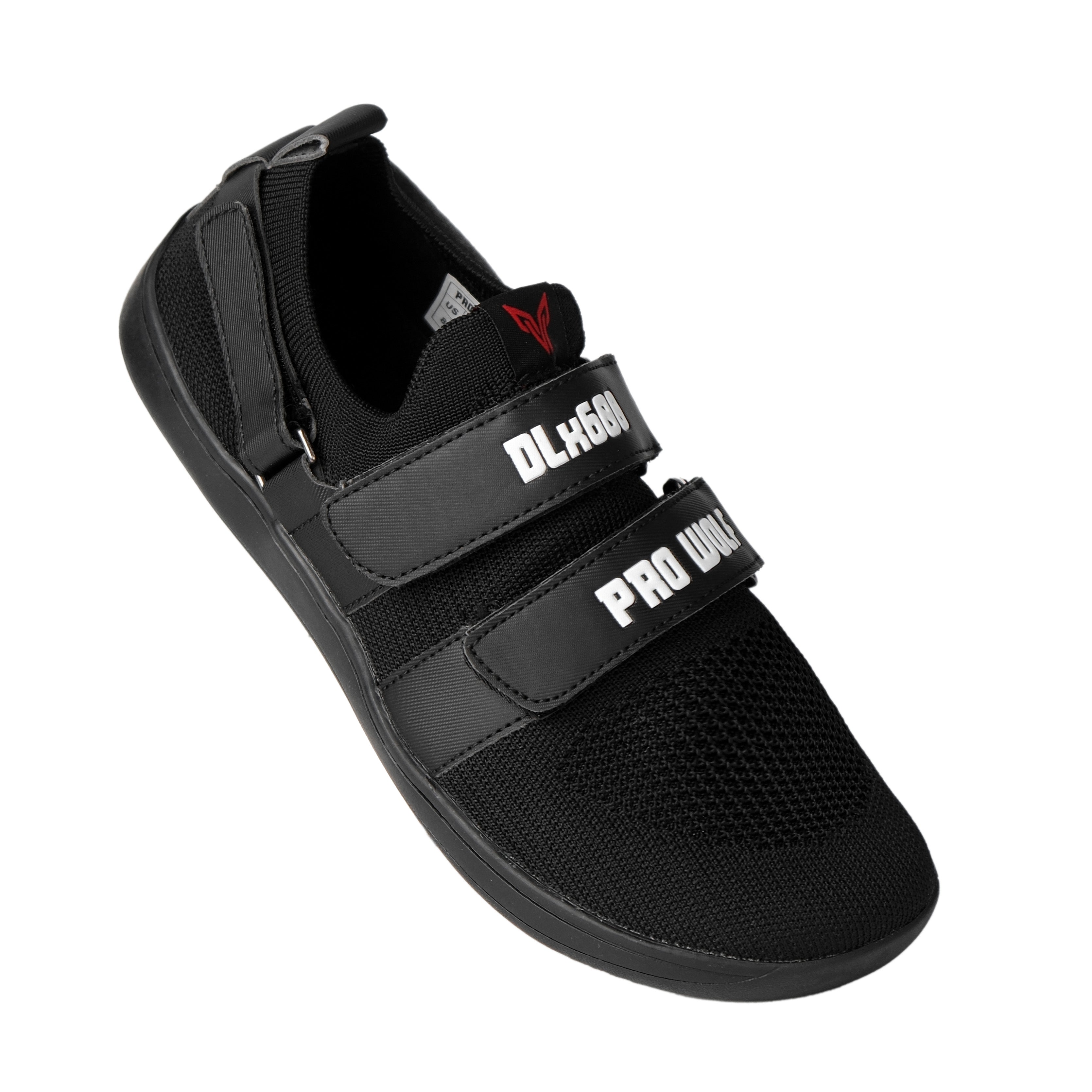
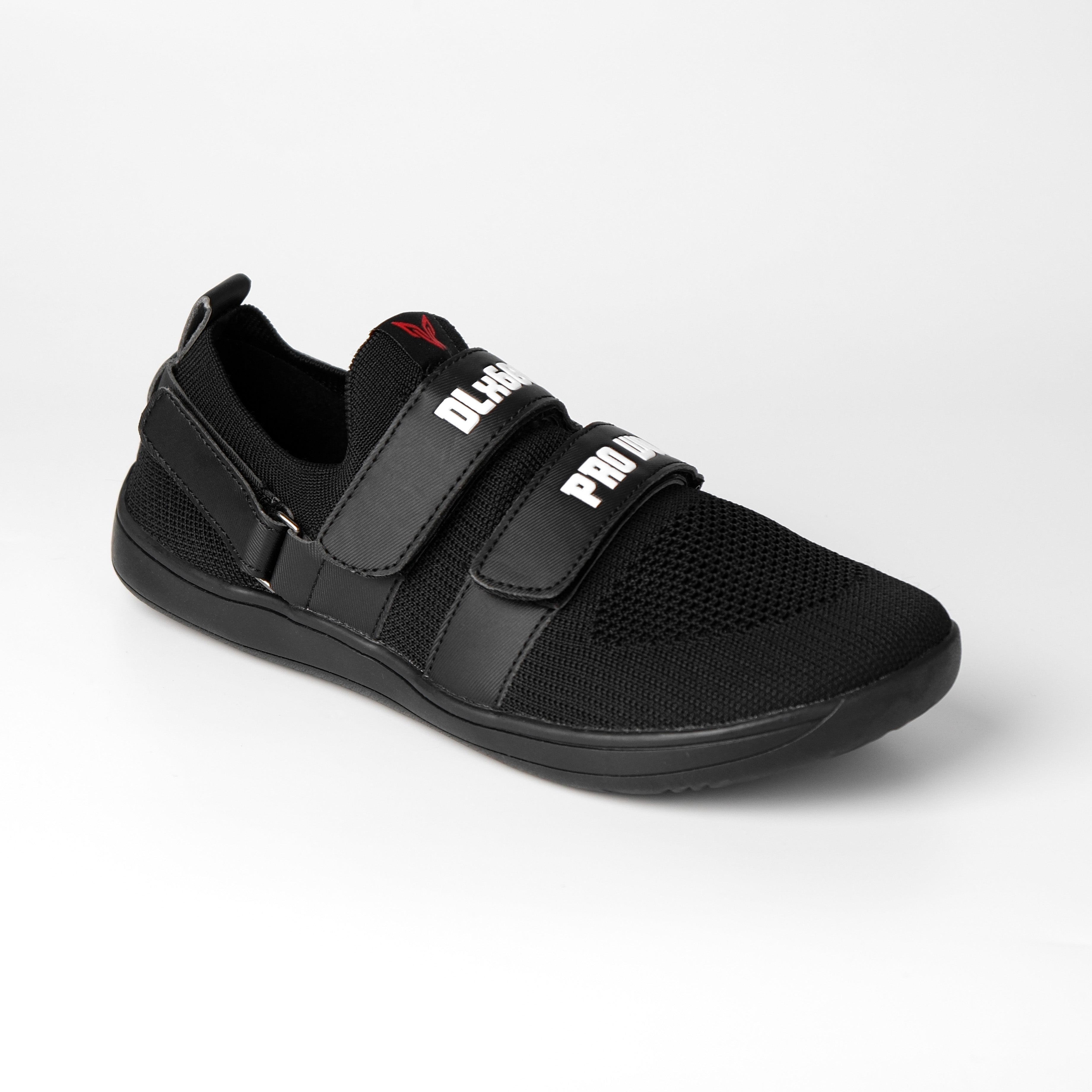
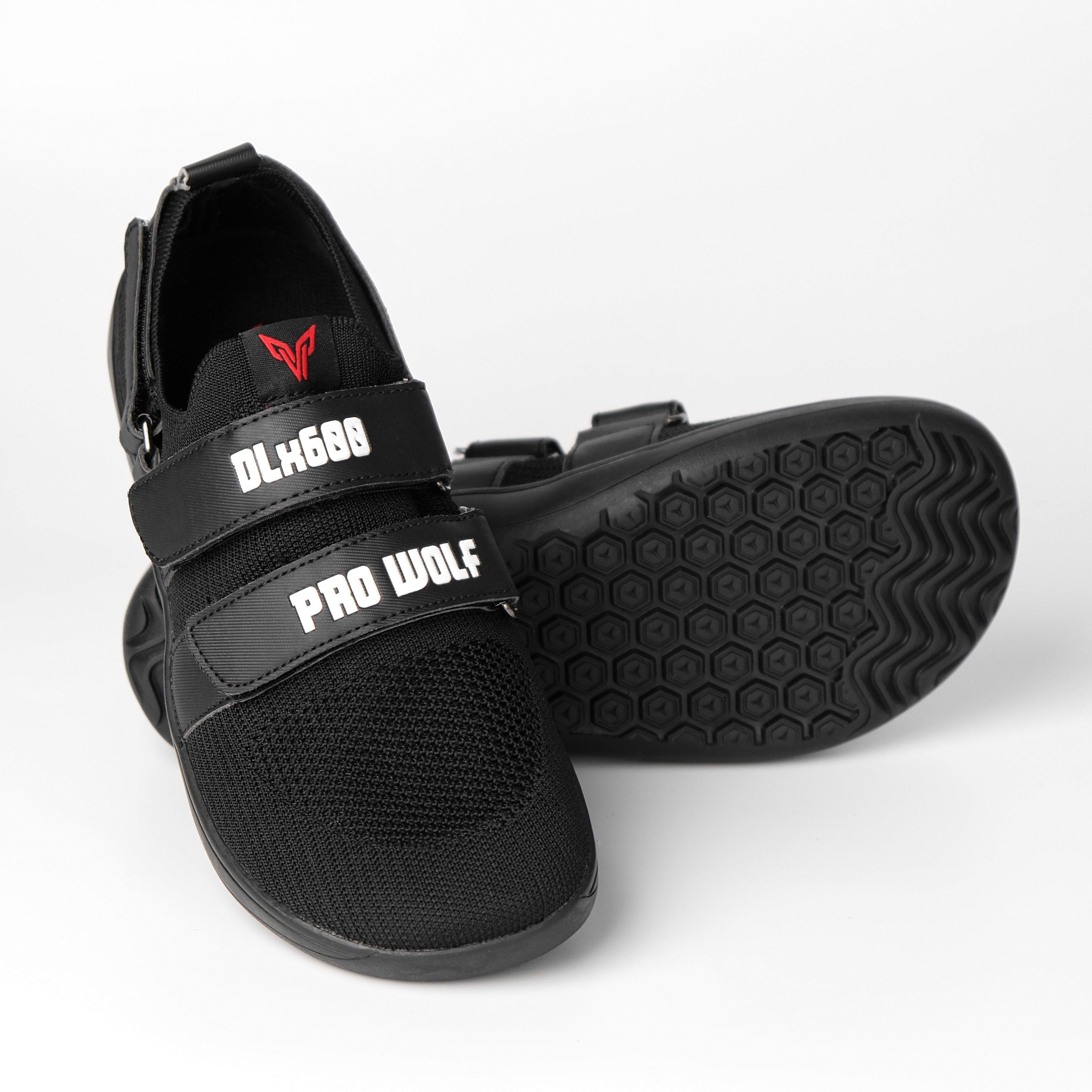
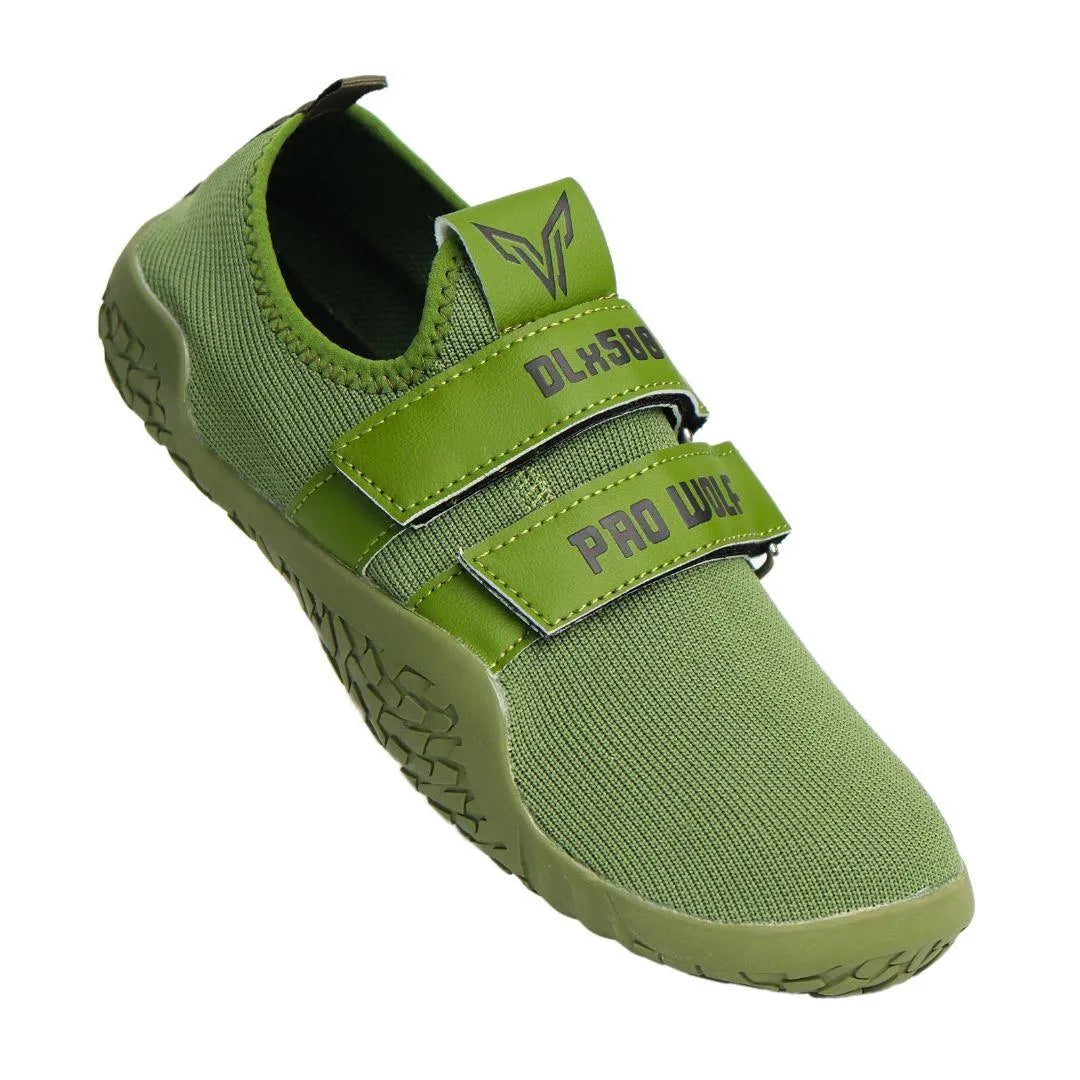
PRO WOLF's men's gym shoe collection is designed around different training requirements, including deadlifting, weightlifting, and general gym use. The collection includes models such as the DLx500, DLx550, DLx600, and PRx700 V2, giving shoppers different constructions to consider according to their training preferences.
For lifters who prefer a minimalist approach, deadlift-focused footwear provides a low-profile option. Those looking for a structured lifting shoe can explore weightlifting designs with a more supportive construction.
The best option ultimately depends on your exercises, training frequency, preferred fit, and performance priorities.
Shop Workout Shoes at PRO WOLF
A good gym shoe should support your training without becoming a limitation. Whether your routine focuses on lifting, conditioning, deadlifting, or mixed workouts, choosing footwear according to your actual requirements can make your sessions more comfortable and consistent.
PRO WOLF offers dedicated footwear options for different training styles, helping men choose shoes based on sole construction, stability, fit, grip, and intended use.
Explore the PRO WOLF collection, compare the available designs, check the sizing information, and choose the pair that fits your training goals.
Choosing the Right Shoe for Your Needs
Finding the perfect gym shoe is about matching your footwear to your training goals:
- Versatility: For a variety of activities, choose training shoes that offer shock absorption and all-around support.
- High-Intensity Training: Prioritize lightweight shoes with excellent cushioning and a stable base for explosive movements.
- Weight Training: Opt for powerlifting or weightlifting shoes depending on your specific needs, prioritizing features like raised heels and supportive uppers.
- Running: Focus on lightweight running shoes with breathable materials and superior cushioning for long-distance comfort.
Explore our collection of gym shoes for men and buy the perfect pair to elevate your workouts and achieve your goals. Remember, with PRO WOLF, you're getting exceptional quality and innovative features at unbeatable prices.
Make Your Gym Sessions More Comfortable with the Right Footwear
The right pair of shoes should work with your training style, not against it. From stable lifting platforms to low-profile deadlift footwear, different designs serve different purposes.
Before making a purchase, consider the exercises you perform most frequently, the type of sole you prefer, the level of support you need, and how the shoe fits your foot.
With PRO WOLF, you can explore dedicated footwear designed for strength-focused and general gym training. Choose your preferred design, check the available sizing, and prepare for your next session with footwear selected around your training needs.