
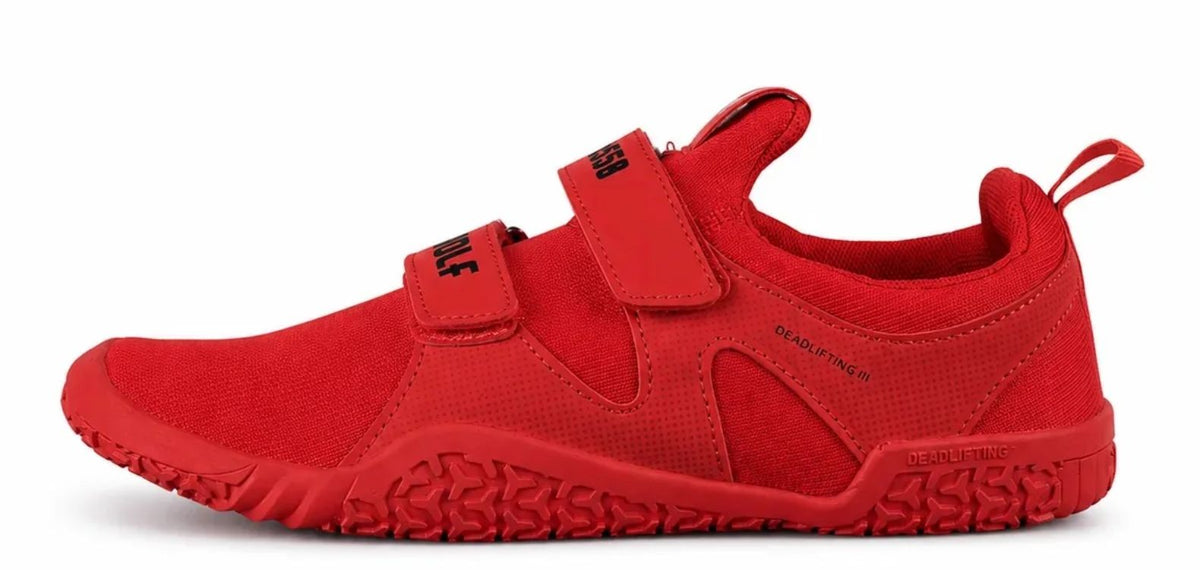
The right shoes can make a noticeable difference in how comfortably and confidently you train. Running, weightlifting, strength training, HIIT, and everyday gym sessions place different demands on your feet. This is why choosing gym shoes based only on appearance is not always a good idea. The right pair should match your workout, provide enough stability, and allow you to move safely.
If you are looking for workout shoes, start by considering the type of training you do most often. A lightweight running shoe may work well for cardio but may feel unstable during heavy squats. Similarly, a rigid lifting shoe may not be comfortable for running or jumping. Understanding these differences can help you choose footwear that supports your training goals.
Why Choosing the Right Gym Shoes Matters
Your shoes form the connection between your feet and the training surface. During exercises such as squats, deadlifts, lunges, and presses, a stable base can help you maintain better positioning. Different workouts also require different levels of cushioning, flexibility, grip, and support. Running involves repeated impact and forward movement, while weightlifting requires stability and controlled positioning.
Wearing the wrong shoes does not automatically cause an injury, but unsuitable footwear can make certain movements less comfortable or harder to perform correctly. Your training style should therefore be the starting point when choosing footwear.
Choose Shoes Based on Your Workout
1. Weightlifting and Squats
Weightlifting requires stability, balance, and a firm connection with the floor. For exercises such as squats, cleans, and snatches, a dedicated lifting shoe can be more suitable than a soft running shoe. Weightlifting shoes generally have a firm sole and an elevated heel. The heel-to-toe drop can help some lifters achieve a more upright position during squats while maintaining contact with the floor.
PRO WOLF's PRx700 V2 weightlifting shoes feature a 2.5 cm heel-to-toe drop, dual straps, a TPU sole, and a grippy rubber outsole. These features are designed around stability during weightlifting and powerlifting movements.
2. Powerlifting
Powerlifting focuses mainly on the squat, bench press, and deadlift. Footwear requirements can vary between these movements and individual lifters. For squats, a stable lifting shoe with an elevated heel may be useful, particularly for lifters who prefer that position. Deadlifts are different. Many lifters prefer a shoe with a flatter sole because reducing the distance between the foot and floor can help with positioning. If you train all three lifts, consider whether you want one versatile pair or different footwear for specific movements.
3. Strength Training and General Gym Workouts
General strength training can include machines, free weights, cable exercises, lunges, and bodyweight movements. In this situation, stability and grip are often more important than maximum cushioning. Look for shoes that fit securely without squeezing your toes. The sole should provide enough traction for movements where your feet need to remain firmly planted. For mixed gym sessions, choose workout shoes according to the exercises you perform most frequently rather than buying a pair simply because it is marketed as a gym shoe.
4. HIIT and Functional Training
HIIT sessions can involve jumping, lateral movements, burpees, squats, and short bursts of cardio. These movements require a balance between flexibility, grip, cushioning, and stability. A highly rigid weightlifting shoe may restrict some movements during a fast-paced workout. On the other hand, a very soft running shoe may not provide the stability you want during strength exercises. For mixed training, look for a shoe that allows comfortable movement while maintaining good contact with the floor.
5. Cardio and Running
Running and treadmill workouts place different demands on footwear. Runners generally look for cushioning, comfort, flexibility, and a fit that accommodates repeated movement. If running is the main part of your workout, choose running-specific footwear rather than assuming all gym shoes are suitable for long-distance running. For short treadmill warm-ups alongside strength training, a stable training shoe may be sufficient. For regular or longer runs, however, footwear designed specifically for running is usually the more appropriate choice.
Key Features to Check Before Buying Gym Shoes
-
Sole and Stability: A firm and stable sole is particularly important for weightlifting and strength exercises. Excessively soft soles can make heavy lifting feel less stable because your feet may move or compress more under load.
-
Heel Height: Heel height matters most for lifting-focused footwear. An elevated heel can help some athletes achieve the ankle position and squat depth they are looking for. However, a higher heel is not automatically better. Your mobility, lifting style, body proportions, and personal preference all matter.
-
Grip: Good traction helps your feet remain planted during training. Check the outsole material and tread pattern, especially if you perform movements that involve pushing against the floor. PRO WOLF PRx700 V2 includes a grippy rubber outsole intended to provide traction during training.
-
Fit and Toe Box: Your shoes should feel secure without restricting natural toe movement. A cramped toe box can become uncomfortable during longer sessions. PRO WOLF PRx700 V2 has a medium toe box, making the fit an important consideration when selecting your size.
Step Up Your Lifting Game with PRO WOLF
PRO WOLF offers performance-focused footwear and lifting gear for athletes who take strength training seriously. Its range includes weightlifting shoes, knee sleeves, lifting belts, wrist wraps, straps, singlets, and other training accessories. For lifting-focused workouts, the PRx700 V2 combines a 2.5 cm heel-to-toe drop, dual straps, TPU sole, medium toe box, and grippy rubber outsole. Whether you are beginning your lifting journey or training for performance, PRO WOLF gives you practical equipment designed around the demands of strength training. Explore the range, choose footwear according to your workout, and build your training setup around comfort, stability, and performance.
Share:
The Complete Gym Belt Buying Guide: How to Pick the Right Weightlifting Belt
Lifting Belts for Men: Support Your Squats and Deadlifts