
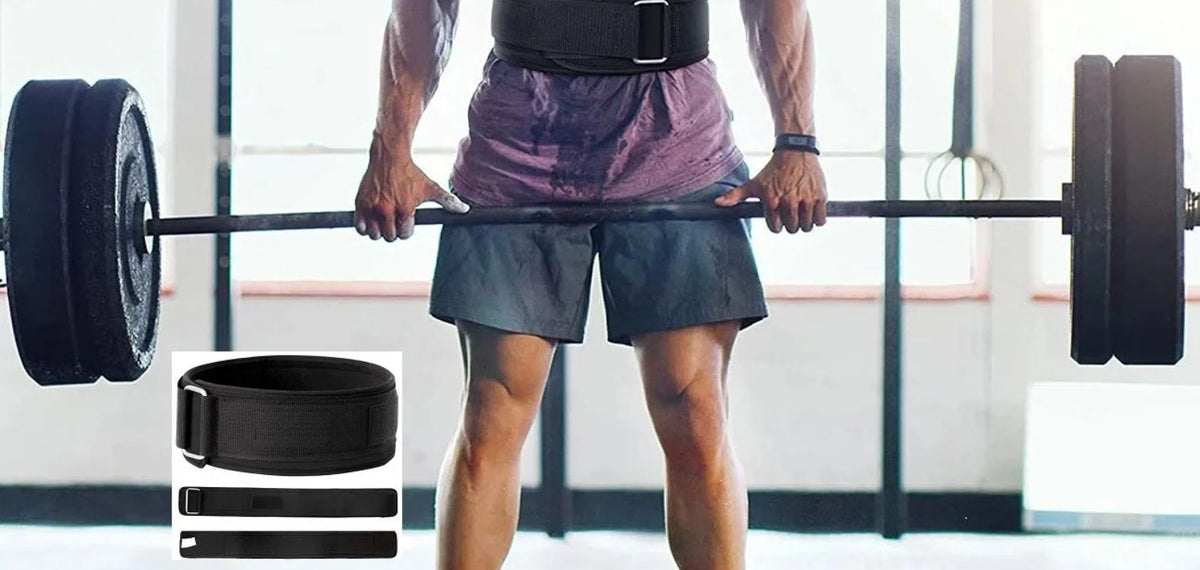
Hitting heavy squats and deadlifts takes a lot more than just muscle. Solid technique, proper breathing, and staying steady under the bar make all the difference in your performance. Lifting belts help experienced lifters brace their core hard on heavy sets and stay stable rep after rep.
Prowolf makes strength training belts built for heavy lifting, offering comfortable neoprene, flexible nylon, and durable leather models. Learning how these belts work, when to strap one on, and what features to look for makes picking the right belt for your gym sessions super easy.
Why Are Lifting Belts Important for Strength Training?
A lifting belt gives your abs something solid to press against, helping you build more intra-abdominal pressure when you brace. That extra pressure keeps your torso rock solid on heavy squats and deadlifts. Just keep in mind that wearing a belt is never a substitute for solid technique, smart programming, or building actual core strength.
Bracing against a tight belt gives you instant tactile feedback, reminding you to keep your core engaged through every inch of the rep. This helps a lot when the weight gets heavy and keeping good form gets tough.
Think of a belt as an extra tool in your gym bag, not an invincible shield against injury. To pick the right belt for your workouts, start with the key features that make a difference.
What Should You Look for in the Best Lifting Belt?
The best lifting belt fits tightly, provides plenty of support, and lets you brace your core hard without pinching or getting in the way. Details like material, thickness, width, and buckle style make a huge difference in how the belt feels under the bar.
How Does Belt Material Affect Performance?
Your choice depends on how you like to train, and the material you pick changes how stiff, flexible, and comfortable your belt feels. A stiff leather belt is perfect if you want maximum support on heavy squat days, whereas a flexible belt works great if you like switching exercises quickly during high-intensity workouts.
Why Do Thickness and Width Matter?
The thickness and width of your belt change how sturdy it feels around your waist. A thicker, wider belt gives you plenty of surface area to press your abs against, but the best size for you depends on your height, body shape, and lifting style.
Your belt should lock in tightly without pinching your hips or digging into your ribs during heavy reps. Once you get a feel for these sizing options, think about how your preference might shift depending on whether you are squatting or deadlifting.
How Do You Choose a Gym Belt for Deadlift and Squats?
A good gym belt for deadlift lets you brace hard without getting in the way of a clean setup at the bottom of the movement. Squats and deadlifts put your body in totally different positions, so comfort and mobility should play a big part in which belt you choose.
What Should You Consider When Choosing a Belt for Deadlifts?
When you bend down to grab the bar for a deadlift, your upper body leans forward at an angle. Wearing a belt that is too thick or sits too high can pinch your ribs and mess up your setup. Focus on getting a snug fit that lets you hinge at your hips and get into position smoothly.
Your belt should give you great bracing support without making you tweak your form just to feel comfortable. Running through a few warm-up sets with light weights is a smart way to test if the belt works for your deadlift style.
Which Belt Features Help During Squats?
Squatting means keeping your core super stable as your hips and knees sink down into the bottom position. You want a belt that offers a solid surface to press your abs against without stopping you from hitting proper depth.
A strong buckle or fastener is super important here so the belt stays right where you put it from top to bottom. Once you pick a belt that fits your squat and deadlift setup, learning proper bracing technique is the next big step.
How Should You Wear a Lifting Belt During Your Workout?
Your belt needs to sit snug enough to press your abs against without pinching your skin or cutting off your air.
Follow these steps to get the most out of your lifting belt:
-
Position it correctly: Set the belt right where it feels most comfortable when you drop into a squat or reach for the bar.
-
Brace before lifting: Take a deep, controlled breath into your stomach and push your abs hard against the inside of the belt.
-
Maintain your technique: Stay focused on smooth, controlled movement rather than using the belt to cover up lazy form.
-
Adjust between sets: Pop the belt loose between heavy sets so you can breathe easily and recover before your next effort.
Wearing a belt should never cause sharp pain, numbness, or trouble catching your breath. If any of those happen, unbuckle it right away and adjust the fit.
How Can Prowolf Help You Choose the Right Lifting Belt?
Picking gym gear gets a whole lot easier when you can compare belts built for different workout styles. PRO WOLF makes weightlifting and powerlifting belts in several materials, including self-locking neoprene, sturdy nylon, and classic leather.
Our neoprene belts feature a simple hook-and-loop setup with a quick-release buckle, making tightening and loosening fast between sets. If you want something stiffer and more traditional, our leather belt gives you that solid, heavy-duty feel. These options let you choose the perfect mix of support, comfort, and flex for your routine.
Before ordering, double-check the size guide, buckle type, material, and how you plan to use it. A good belt supports your core bracing without messing up your natural lifting movement. Comparing these details with your workout goals ensures you grab the best belt for your gym bag.
Share:
How to Choose the Right Gym Shoes for Every Workout
Gym Shoes Guide: Choosing the Right Shoes for Your Workout