
Blog Objective
The blog helps you get acquainted with the various types of weight plates as well as learn how to select appropriate weightlifting plates.
Key Takeaways
-
Weight plates mostly fall into four categories: iron, bumper, rubber-coated, and competition grade
-
Lifting plates are built for precision, whereas standard plates are made more for everyday use
-
Home gyms and commercial gyms don't need the same plate setup, since space and usage differ a lot
-
Bar compatibility and rod thickness matter more than most people assume going in
-
Storing plates properly is a small habit that saves you money down the line
Most lifters don't think twice about plates, until a cheap set lets them down mid-set. Many people pick up their first set of gym weight plates without really knowing what separates a decent set from a poor one, and a few months later, they end up wishing they had bought differently.
Picking weight plates sounds simple until you're actually standing in front of ten different options, wondering what half the terms even mean. Whether you're setting up a garage gym or training at a full commercial facility, the plate you pick affects everything from your safety to how long your equipment actually lasts.
That's exactly what this guide is for. We'll cover the types of plates out there, how to actually choose between them, and a couple of things most articles on this topic tend to skip over.
Table of Contents
-
What Are Gym Weight Plates?
-
Types of Weight Plates
-
Weightlifting Plates vs Standard Plates
-
Choosing the Right Weight Plates
-
Home Gym vs Commercial Gym Plates
-
What Most Blogs Don't Tell You
-
Maintenance and Storage Tips
-
How the Plate Types Compare
What Are Gym Weight Plates?
At their core, gym weight plates are just round, weighted discs that slide onto a barbell to add resistance for lifts like squats, deadlifts, or bench presses. While it's a simple concept, these plates honestly serve as the backbone of most strength routines, whether you've been lifting for years or are just starting out.
-
They're used with barbells, dumbbells, and several gym machines
-
They come in a range of materials, finishes, and weights
-
They're essential for progressive overload, which basically means lifting a little heavier over time
A plate is a plate, right? Not quite. The material, the size, and even the finish all change how it actually feels once you load it up and start lifting.
Types of Weight Plates
Not every plate is built the same way, and picking the wrong type can wreck your flooring or, worse, slow down your progress. Here's a rundown of what you'll typically come across.
-
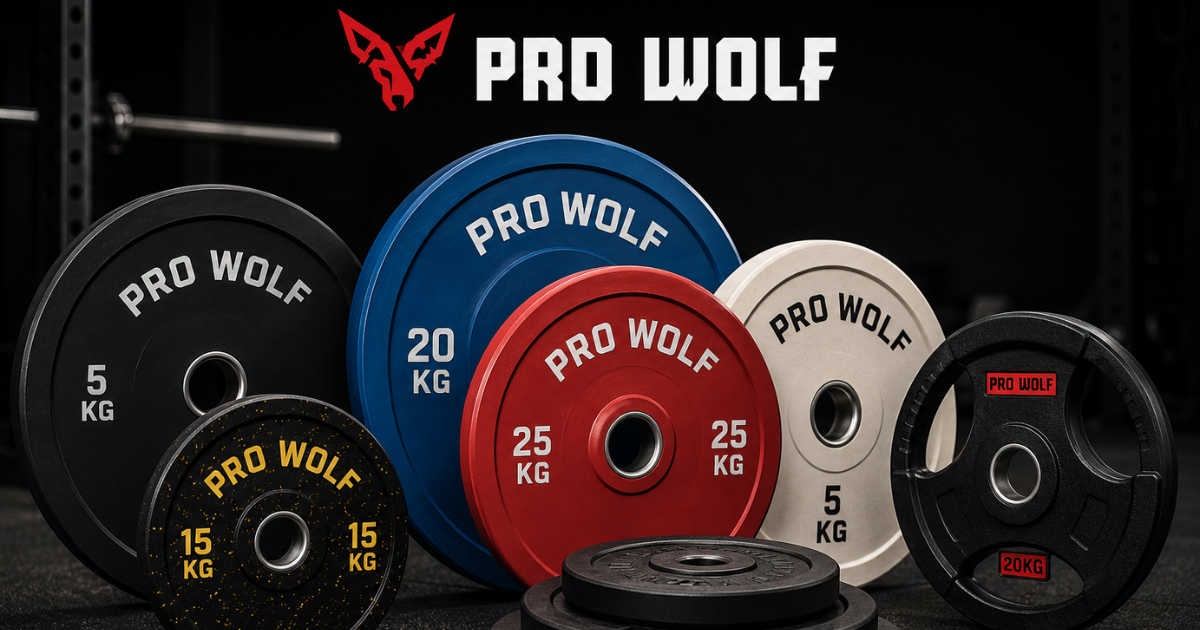
Iron Plates are solid cast iron, cheaper than most other options, and quite durable, although they do get noisy when dropped
-
Bumper Plates have a steel core wrapped in rubber, so they're built to be dropped safely without tearing up your floor
-
Rubber-Coated Plates sit somewhere between iron and bumper, with a thinner rubber layer that cuts down on noise
-
Competition Plates are calibrated for exact weight accuracy, and you'll see these at official powerlifting and weightlifting meets
If you're weighing bumper plates vs iron plates, it really depends on how you train. Bumper plates suit Olympic-style lifts where dropping the bar is part of the routine, whereas iron plates tend to work better for slower, controlled movements like the bench press.
Weightlifting Plates vs Standard Plates
This is where many people get tripped up. Standard plates are made for general gym use, while lifting plates are precision-calibrated, meaning the weight stays consistent every single time you load the bar.
-
Standard plates can be off by a small margin in actual weight
-
Precision plates go through testing and calibration for competition-level accuracy
-
Weightlifting plate sizes usually stick to Olympic standards, fitting a 50mm bore for Olympic bars
If you're training seriously, or even just tracking your progress closely, calibrated plates give you a level of trust that standard ones simply can't match. It's a small difference on paper, but it adds up over months of training.
Choosing the Right Weight Plates
Picking plates isn't just about grabbing whatever's cheapest on the shelf. A handful of small decisions here can save you both money and frustration later on.
-
Training Level: beginners can usually start with lighter, standard sets, while more advanced lifters may want the best gym weight plates with calibrated accuracy
-
Workout Goals: competition plates suit strength athletes, whereas general fitness plates work perfectly fine for everyday training
-
Bar Compatibility: always check your barbell gym equipment before buying, since plates have to match your bar's sleeve diameter
-
Budget: iron plates are usually the most affordable place to start
Many people run into this exact dilemma while shopping online, too many options and not nearly enough clarity. Sticking to these basics, however, makes the whole decision a lot easier.
Home Gym vs Commercial Gym Plates
Where you train changes what you should actually buy. Weight plates for home gym setups need to handle limited space and occasional use, whereas commercial gyms need plates tough enough to survive constant, heavy traffic every single day.
-
Home Gym: compact storage, a moderate weight range, and often bumper or rubber-coated plates for safety
-
Commercial Gym: a wider weight range, built for daily wear, usually a mix of iron and competition plates
-
Noise Consideration: home setups tend to benefit from rubber-coated plates, especially if you've got neighbors or family nearby
What Most Blogs Don't Tell You
Here's something most articles on this topic tend to skip entirely. Calibration accuracy and rod compatibility matter just as much as the plate material itself, and overlooking this is exactly where a lot of home gym owners go wrong.
-
Always match your plates to your gym rod weight and sleeve diameter before you buy anything
-
Secure every plate properly on your gym barbell rod using collars, so nothing slips mid-lift
-
Pairing plates with supportive gear like a Belts or Knee Sleeves helps protect your joints during heavier sets
-
Calibrated plates aren't just for competition lifters either, they help serious home gym owners track real progress too
Maintenance and Storage Tips
Plates can last for years if you treat them right, but a little neglect goes a long way toward rust, cracks, and uneven wear over time.
-
Wipe down iron plates regularly to prevent rust, especially if you're in a humid area
-
Store plates upright on a rack instead of stacking them flat on the floor
-
Avoid dropping calibrated or competition plates, since that can throw off their accuracy
-
Check collars and pins for wear so plates don't slide around mid-set
How the Plate Types Compare
| Plate Type | Best For | Noise Level | Durability |
|---|---|---|---|
| Iron Plates | Budget training, bench work | High | Very High |
| Bumper Plates | Olympic lifts, dropping bar | Low | High |
| Rubber-Coated Plates | Home gyms, quiet training | Medium | High |
| Competition Plates | Meets, calibrated tracking | Low | Very High |
Building a Setup That Actually Works for You
Choosing the right weight plates isn't about buying the flashiest or most expensive set on the shelf. It's about matching your plates to your goals, your space, and how seriously you're training, nothing more complicated than that. Pair your plates with the right Barbells and supportive gear like Weightlifting Shoes, and you'll notice the difference almost immediately in every lift. Start with what actually fits your current level, and upgrade as your strength grows from there.
Share:
The Ultimate Guide to Barbell Gym Equipment: Choosing the Right Gym Barbell Rod
The Best Travel Hiking Backpack for Gym, Travel and Everyday Use