Did You Know?
In September 2025, the Government of India slashed GST on gyms and fitness centres from 18% to 5% as part of its nationwide GST reforms. This move was designed to make fitness memberships and training more affordable and accessible across the country.
Key Takeaways
-
Barbells are the single most versatile tool in any strength program, from Olympic weightlifting to powerlifting to everyday training
-
The weight of gym rod follows a global standard, 20kg for men's bars and 15kg for women's bars
-
The right barbell rod comes down to knurling, spin, stiffness, and coating, not just the price tag
-
With gym GST now cut to just 5%, more people across India are stepping into fitness, so picking durable barbell gym equipment matters more than ever
Ever picked up a gym barbell rod at two different gyms and felt like you were lifting two totally different pieces of equipment? One spins smoothly and feels balanced in your hands. The other feels stiff, slippery, or just plain wrong under load. You're not imagining it. Many people face this exact confusion when shopping for their own bar, whether it's for a home setup or a commercial gym floor. With fitness now more affordable than ever due to the recent GST cut, more lifters are investing in their barbell gym equipment than before.
In this guide, we'll walk you through the different types of bars, what rod weight actually means, how to pick the right one, and the mistakes most first time buyers make.
Table of Contents
-
Why Barbells Are the Backbone of Strength Training
-
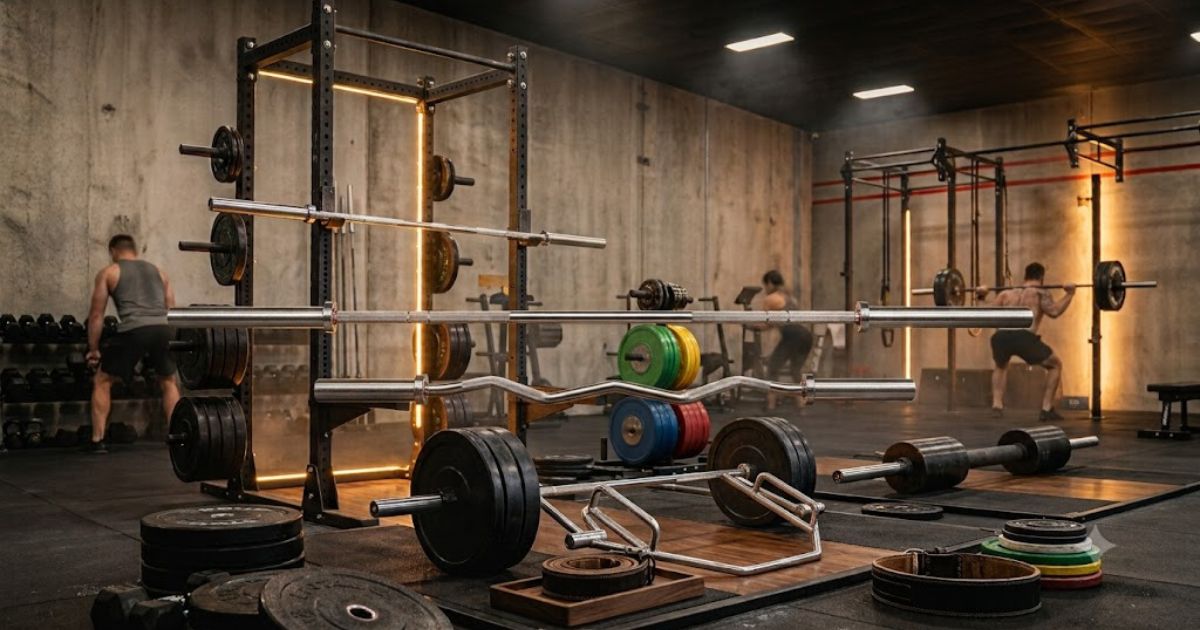
Types of Barbell Gym Equipment You Should Know
-
Understanding Gym Rod Weight: A Simple Barbell Weight Guide
-
How to Choose the Right Gym Barbell Rod
-
Common Mistakes People Make When Buying Barbells
-
Simple Maintenance Tips to Make Your Barbell Last Longer
-
ProWolf Barbell Options at a Glance
-
Your Next Set Starts With the Bar in Your Hands
-
FAQs
Why Barbells Are the Backbone of Strength Training
A barbell isn't just another piece of equipment sitting in the corner of your gym. It's the one tool that lets you load real weight onto your body and build strength in a way nothing else quite matches.
-
Works your whole body at once, not just isolated muscles
-
Lets you track progress simply by adding gym weight plates
-
Used in nearly every serious strength program, making it a staple in any barbell gym
-
A good bar can outlast years of daily training if it's built right
Pair it with the right Powerlifting Equipment, and you have a setup that grows with your strength.
Types of Barbell Gym Equipment You Should Know
Not every bar is built for the same job. Walking into a gym and seeing a wall of different rods can feel overwhelming if you don't know what you're actually looking at. Think of this section as your quick olympic barbell guide before we go deeper.
-
Olympic barbell: Designed for snatch and clean and jerk exercises, has some whip and fast rotating sleeves to help it rotate easily
-
Powerlifting barbell: Harder and with little or no whip, used for squat, bench press, and deadlift exercises where stability is key rather than rotation
-
EZ curl bar: Short, zig-zag bar that is mainly used for arm exercises to reduce stress on the wrist
-
Training bar: Bar used for general strength training, perfect for beginners
The ProWolf stays focused on Olympic and powerlifting style training bars, which are designed for serious training and nothing else.
Understanding Gym Rod Weight: A Simple Barbell Weight Guide
Gym rod weight is one of the first things people ask about, and it's simpler than it sounds once you break it down. Most standard bars follow a set weight so plates and math stay consistent across every gym.
-
Men's bars are typically 20kg, the standard used in most training and powerlifting setups
-
Women's bars usually come in at 15kg, built lighter for a better grip
-
Bar diameter changes with weight too, which affects how secure your grip feels
-
Sleeve design can vary slightly by brand, but the core weight standard stays the same
If you're building a home setup, knowing your rod’s weight before you buy weightlifting plates saves you from mismatched combos later.
How to Choose the Right Gym Barbell Rod
Picking the best gym barbell bar isn't about grabbing the shiniest one on the shelf. The right choice depends on your training style, frequency, and how the bar feels in your hands under load.
-
Check the knurling. Too smooth and it slips during heavy pulls, too rough and it tears up your palms
-
Test the spin. Olympic lifters want fast rotation, powerlifters want something slower and more controlled
-
Look at the stiffness. High stiffness and low whip give you confidence under heavy squats and deadlifts
-
Consider the coating. A durable steel build with solid coating protects against rust, especially if you train at home
If you lift heavy regularly, pairing your bar with reliable Belts gives your core extra support during those tough sets.
Common Mistakes People Make When Buying Barbells
Buying a barbell feels simple until you're comparing five different options and none of them explain what actually matters. A few mistakes come up again and again.
-
Choosing a bar based on price alone instead of checking build quality
-
Ignoring bar weight and assuming every rod is the standard 20kg
-
Skipping grip and knurling checks, then regretting it during heavy sessions
-
Forgetting to think about long term durability for daily home gym use
Simple Maintenance Tips to Make Your Barbell Last Longer
A good bar can last you years if you treat it right, but a little neglect adds up fast. Simple habits can save your barbell gym equipment.
-
Always clean the barbell after each use to wipe away sweat and chalk
-
Keep the equipment in a dry place to avoid rusting, particularly during humid summers
-
Try not to drop it onto concrete surfaces frequently since this will affect its spinning ability
-
Inspect the sleeves regularly to ensure that spinning is smooth
ProWolf Barbell Options at a Glance
| Barbell | Weight | Best For |
|---|---|---|
| E1 Men's Training Weightlifting Barbell | 20kg | Weightlifters, CrossFitters, and powerlifters wanting smooth spin and balanced knurling. |
| E1 Women's Training Weightlifting Barbell | 15kg | Women training for Olympic lifts, cleans, and everyday strength work. |
| F-E Powerlifting Barbell | 20kg | Lifters focused on squats, deadlifts, and bench press who need high stiffness and minimal whip. |
Every ProWolf barbell ships free and comes with easy returns if it's not the right fit. Pair yours with ProWolf's weightlifting plates for a complete setup. If you're chasing PRs, a pair of solid weightlifting shoes gives you the stable base your lifts need, and wrist wraps keep your joints protected on heavy pressing days.
Your Next Set Starts With the Bar in Your Hands
Every strong lift starts with the tool you're holding. Whether you're setting up your first home gym or upgrading your commercial gym floor, choosing the right barbell rod is one decision that pays off every single session. Take your time, check the knurling, feel the spin, and pick a bar that matches how you actually train.
Share:
25 Essential Gym Accessories for Men to Improve Performance and Prevent Injuries
Gym Weight Plates Explained: How to Choose the Best Weightlifting Plates for Your Training