
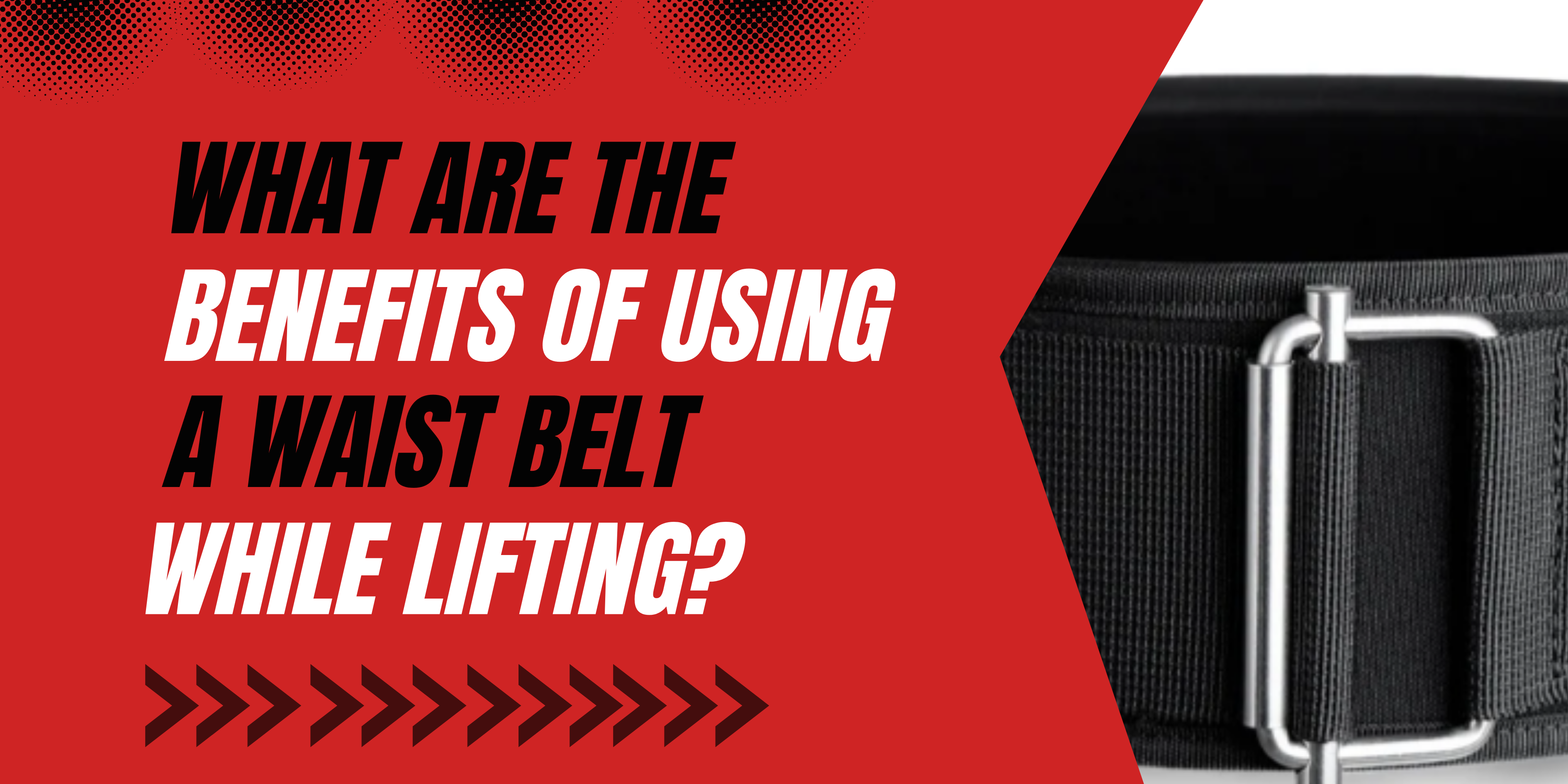
Lifting weights is one of the best ways to build strength, but heavy lifting also comes with the risk of injury if you’re not careful. A Waist Belt is designed to support your lower back and core, making it easier to maintain proper form during demanding lifts. In simple terms, the belt acts as a brace that gives you extra stability and helps you train safely.
Many people often ask whether a lifting belt is really necessary. The short answer is yes—when used correctly, it can be a game-changer in your fitness journey. Let’s explore how it works, when you should use it, and why so many lifters consider it an essential part of their gym kit.
Why Do Lifters Use a Waist Belt?
The biggest reason lifters use a gym lifting belt is to support the spine during heavy movements. Exercises like squats, deadlifts, and overhead presses put significant pressure on the lower back. Without stability, your spine can bend under the load, leading to potential injury.
Wearing a belt helps you keep your back in a safe, neutral position. It’s not about making lifting easier; it’s about making it safer and more effective. With your spine supported, you can engage more power in your lifts, helping you progress without compromising safety.
How Does a Waist Belt Improve Lifting Performance?
The science behind a gym weight lifting belt is fascinating. When you wear one, it allows you to increase intra-abdominal pressure, which works like a natural brace for your spine. Your abdominal muscles push out against the belt, creating more rigidity in your core.
Think of it like inflating a balloon inside a box—the walls become stronger and harder to move. This means you can lift heavier weights while reducing stress on your lower back. Many athletes report that they feel more confident and controlled in their lifts with a belt, which in turn improves performance.
When Should You Use a Gym Workout Belt?
A gym workout belt is not something you need for every exercise. If you’re doing light dumbbell curls, bodyweight movements, or warm-up sets, wearing a belt doesn’t add much value. It’s most effective during heavy compound lifts such as:
-
Deadlifts
-
Squats
-
Overhead presses
-
Olympic lifts (clean and jerk, snatch)
The key is to use it wisely. Overusing the belt during every single workout can reduce natural core engagement over time. That’s why experts recommend using it only for near-maximal lifts or sessions where your lower back is under maximum strain. For general strength building, training without the belt helps build natural core strength.
Is a Waist Belt Only for Professionals?
One myth is that belts are only meant for professional athletes. In reality, everyday gym enthusiasts benefit from them too. If you’re lifting weights heavy enough to challenge your back and core, the belt offers an extra layer of support.
For example, a beginner working on form doesn’t need a belt immediately. But as the weight increases and exercises get more demanding, a belt becomes useful. Whether you’re training for personal goals or competing in a powerlifting singlet, the belt supports safe progress.
It’s important, however, that you don’t use it as a shortcut. Learn correct form first. Once your technique is solid, add the belt for bigger lifts.
Does Wearing a Gym Lifting Belt Prevent Injuries?
While nothing can completely eliminate the risk of injury, a belt reduces the likelihood of lower back strain significantly. By helping your body stay in a stable position it reduces unnecessary flexion and extension in the spine.
That said, the belt isn’t a substitute for good technique. Incorrect lifting form can still cause injuries even if you’re wearing a belt. The best approach is combining the belt with proper coaching, supportive shoes, and other gym fitness accessories that complement your training.
Are There Downsides to Using a Gym Weight Lifting Belt?
Yes, belts come with limitations if used incorrectly. Some drawbacks include:
-
Over-reliance – Relying on it too often may weaken your natural stabilising muscles.
-
Discomfort – A poorly fitted or cheap belt can dig into your waist.
-
False sense of security – Believing you can lift much heavier just because you’re wearing one may lead to injuries.
The key is balance. Use it as a support tool, not a crutch. Train your core naturally and bring out the belt only when it’s truly needed.
How to Choose the Right Belt for You?
Not all belts are the same, and choosing the wrong one can make your workouts uncomfortable. Here’s what to look for:
-
Width and thickness: A 4-inch wide belt is the most common and provides solid all-around support.
-
Material: Leather belts are stiff and long-lasting, while nylon belts are more comfortable and flexible for beginners.
-
Closure type: Buckle belts are more secure for heavy lifting, while Velcro belts are quicker and easier to adjust.
If you’re lifting hefty weights, a strong leather buckle belt may suit you best. But if you’re doing more general gym training, a Velcro belt might feel more comfortable.
Practical Tips for Using a Gym Workout Belt
-
Wear it around your waist, covering both your abdomen and lower back.
-
Tighten it enough for support but not so tight that you can’t breathe properly.
-
Use it mainly for your heaviest sets, not every single workout.
-
Combine it with other support tools, such as a knee cap for gym, for overall protection.
- Continue building core strength naturally to avoid over-reliance.
Why a Waist Belt Is Worth the Investment?
Ultimately, a lifting Belt is more than just a gym accessory—it’s an investment in your safety and performance. It helps reduce the risk of lower back injuries, improves lifting mechanics, and gives you the confidence to push heavier weights.
Fitness experts and references from strength training research consistently highlight the effectiveness of belts in stabilising the spine and boosting lifting efficiency. They’re not magic tools, but they are trusted aids that have been used by bodybuilders, weightlifters, and athletes for decades.
Pairing a belt with correct technique, a structured training plan, and supportive gear creates the perfect balance of safety and performance.
Key Takeaways:
-
A lifting belt boosts intra-abdominal pressure, stabilising your spine.
-
It is best used for heavy compound lifts, not light exercises.
-
Both beginners and professionals can benefit when using it correctly.
-
Choosing the right material and size ensures comfort and performance.
-
Over-reliance can be harmful, so balance is key.
Train smarter and safer with the right lifting support. To explore premium lifting gear designed for performance and protection, visit Pro Wolf today.
Share:
Which Gym Fitness Accessories Are Must-Haves for Beginners?
How a Powerlifting Singlet Impacts Your Form and Focus During Lifts?