
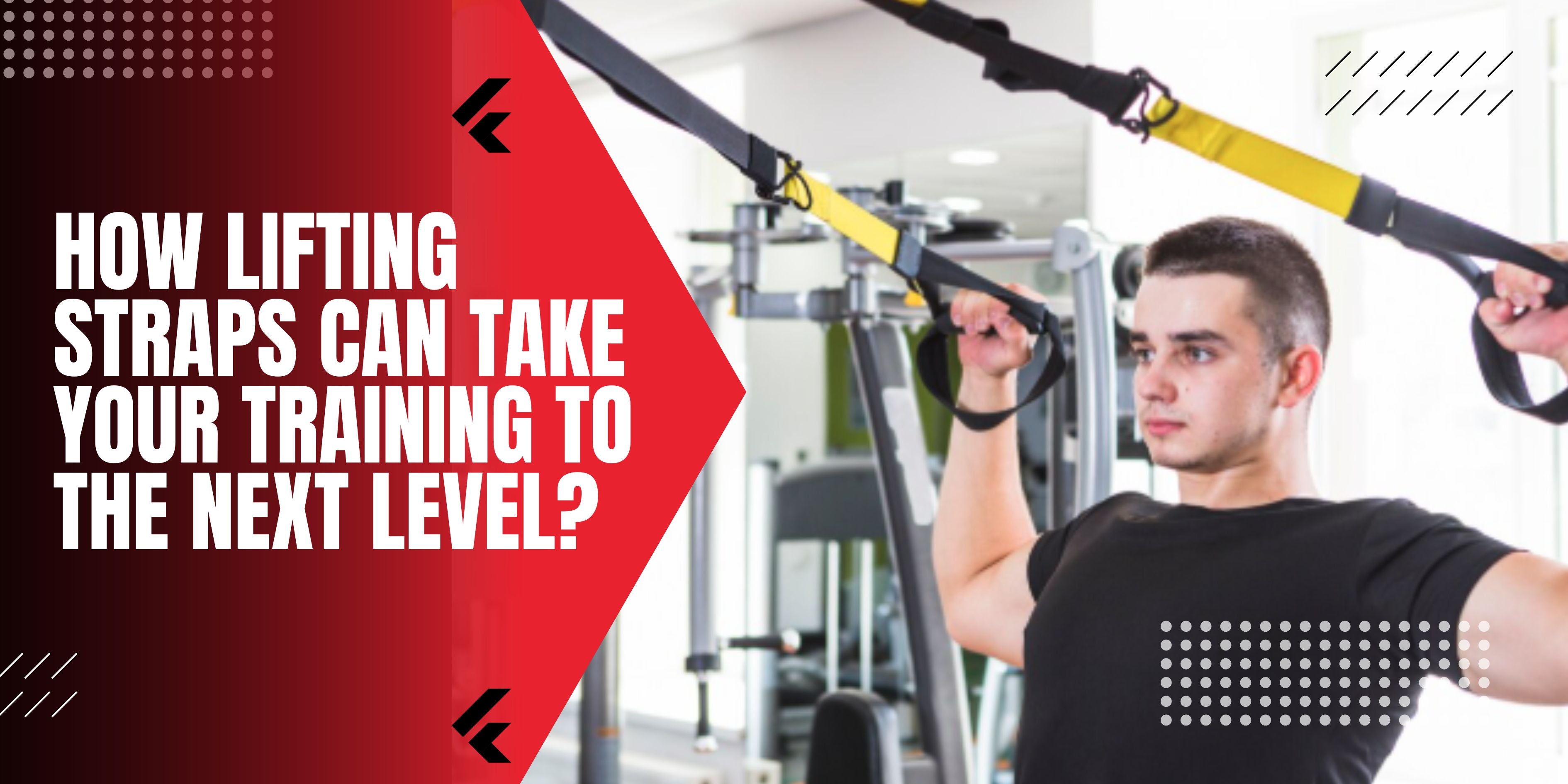
When you walk into the gym, it’s easy to focus on the big things, how much you lift, how long you train, or what new PR you’re chasing. But sometimes, it’s the smaller tools that make the biggest difference. ProWolf understands that progress often comes down to control, stability, and how efficiently you can push past limits. That’s where lifting straps quietly take center stage, helping you lift more, train harder, and focus better.
They might look simple, but these straps can completely change how your hands, wrists, and mind connect with the bar. If your grip tends to give up before your muscles do, this one adjustment can unlock serious potential in your performance.
Why Do Lifting Straps Matter So Much?
Every lifter has been there—pulling heavy, your back is ready, your form is tight, but your grip gives up halfway through. It’s frustrating. Lifting straps are designed to solve that exact problem by reinforcing your hold on the barbell or dumbbell.
Instead of losing strength because your hands slip, the strap takes on part of the load, letting you concentrate on the muscles that actually matter, your lats, traps, and posterior chain. That small shift not only helps prevent grip fatigue but also improves your posture and focus during each lift.
Think of it as mental freedom. You’re no longer distracted by “will I drop this bar?” but rather focused on “how much more can I lift?”
How do They Improve Your Form and Focus?
Once your grip is secure, your form naturally improves. A secure grip means less unnecessary movement, better bar control, and safer technique. The real magic happens when you no longer have to compromise your form for your grip strength.
Here’s what lifters often notice when they start using weight lifting straps:
-
A more consistent range of motion during sets.
-
Reduced strain on smaller forearm muscles.
-
Better engagement of primary muscle groups.
-
Less risk of injury due to poor grip fatigue.
When you can focus entirely on technique, your body learns faster. It’s not just about strength anymore—it’s about movement mastery.
The Mental Edge: Training With Purpose
Training isn’t just about muscle—it’s also mental. Many athletes overlook how equipment impacts mindset. The moment you wrap the strap around your wrist, there’s a psychological cue: it’s time to go heavy.
That ritual builds focus and consistency. When your setup routine includes wrapping those straps, you enter “performance mode.” And consistency in preparation often leads to consistency in results.
This is what separates regular gym-goers from dedicated lifters. It’s not about lifting for the sake of it—it’s about lifting with precision and intent.
Are Lifting Straps Only for Advanced Lifters?
Not at all. Beginners can benefit from straps just as much, provided they use them wisely. For someone just starting, it can be discouraging when your grip fails before your back or legs even start to tire. These straps bridge that gap.
You shouldn’t depend on them for every single set—your natural grip strength still needs work. But during your heaviest lifts or final sets, when fatigue kicks in, they’re your secret weapon to push through that plateau.
This is why they’re considered essential gym men's accessories—not a luxury, but a tool for smarter training.
When to Reach for Your Straps
The best time to use workout grip straps depends on your training goal. If your workout involves high-rep isolation exercises, you probably won’t need them. But if you’re going heavy and focusing on power, here’s where they shine:
-
Deadlifts and Rack Pulls: They help sustain your grip through maximum weight loads.
-
Barbell Rows and Pull-Ups: Allow you to engage your back muscles more effectively.
-
Shrugs and Heavy Dumbbell Work: Prevent your fingers from giving out before your traps do.
Using them strategically—not constantly—is key to balancing grip development with performance gains.
Pairing With the Right Accessories
Once you start focusing on form and control, other accessories become part of your training strategy. For example, if you’re performing compound lifts, adding a gym workout belt helps stabilize your core and protect your lower back, while your straps assist with grip.
When both tools work together, you’ll notice your lifts becoming more efficient and powerful. It’s a combination that builds confidence and minimizes risk—helping you lift smarter, not just heavier.
Reducing Strain and Preventing Injuries
One of the biggest reasons lifters plateau or quit training altogether is injury. Grip-related fatigue can lead to awkward movement patterns and increased strain on smaller muscles. By reducing the stress on your hands, workout grip straps help your larger muscles do the heavy work, which minimizes the chance of overuse injuries.
Similarly, if you’re working on squats or leg presses, wearing powerlifting knee sleeves can complement your upper-body focus by protecting your knees from stress and keeping your form tight throughout your sets.
Small, supportive choices like these can extend your lifting longevity and prevent those dreaded “time off” periods caused by strain or overtraining.
Real Results: What Happens When You Use Them Regularly
Consistency pays off. Once you incorporate straps into your routine, you’ll likely notice:
-
Faster progression in strength-based lifts.
-
More balanced muscle activation.
-
Better endurance across sets.
-
Improved confidence when tackling heavier weights.
These aren’t magic results, they come from training with better control and intention. These straps are simply the tool that helps you train longer and smarter.
Key Takeaways:
-
Workout grip straps boost grip strength and let you focus on the main muscle groups.
-
They help prevent premature fatigue in your hands and forearms.
-
When used correctly, they improve lifting form and overall safety.
-
Combining them with tools like a gym workout belt and powerlifting knee sleeves enhances stability and performance.
-
They’re not just for professionals, beginners can use them strategically for better results.
Building Confidence, One Lift at a Time
Every serious lifter reaches a point where physical effort alone isn’t enough—you need smarter technique and the right gear. Lifting straps give you that competitive edge by bridging the gap between potential and performance.
The key isn’t just in lifting heavier, it’s in lifting better, with control, safety, and precision. Once you experience that level of focus, your workouts will never feel the same again.
And that’s where ProWolf steps in to help you equip yourself for progress, one rep at a time.
Share:
How a Powerlifting Singlet Impacts Your Form and Focus During Lifts?
What Sets LUXIAOJUN Deadlifting Shoes Apart from Other Lifting Brands