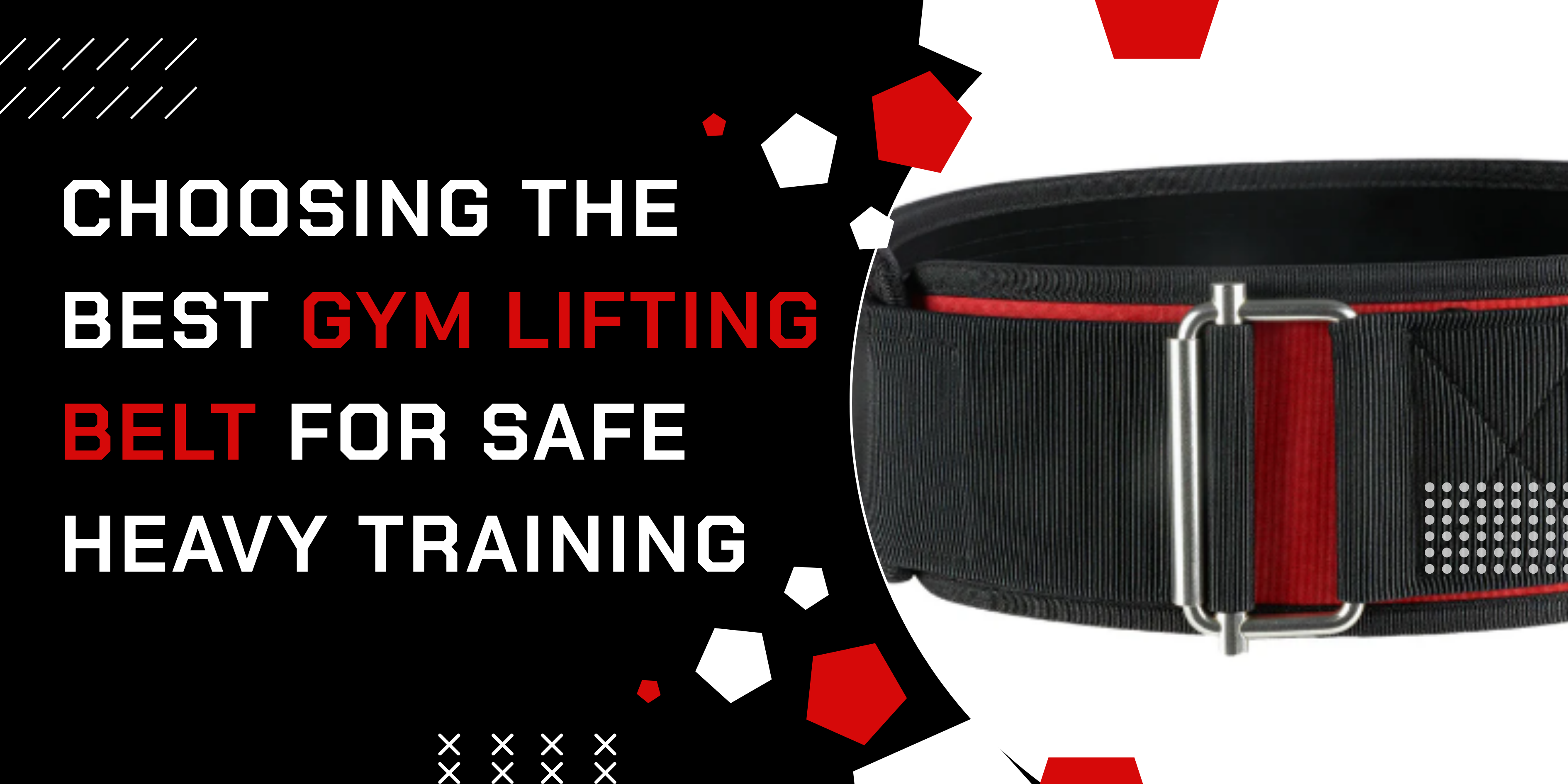
Training heavily is rewarding, but it also comes with risk. When weights get heavier, and your workouts become more intense, your core needs extra support. That’s where a Gym Lifting Belt becomes essential. A good belt protects your lower back, keeps your spine aligned, and helps you lift with confidence. Whether you're squatting, deadlifting, or pressing overhead, the right belt can improve your performance and reduce unnecessary strain.
Here, we’ll help you choose the right belt for your fitness goals. We’ll cover materials, sizes, types, and how to pick the best option for daily training. The goal is simple - help you stay safe, stable, and strong every time you lift.
Why Does a Small Accessory Make a Big Difference?
Many people underestimate the role of a belt. They often think it’s just for professionals or heavy lifters. But in reality, anyone who trains regularly can benefit from a gym belt for men or women. A belt helps you generate more intra-abdominal pressure. This pressure works like a natural shield around your spine. When used correctly, it keeps your form tight and reduces the chance of injuries.
Even if you’re not training extremely heavy, a reliable waist belt for gym sessions can bring more stability to your movements. It gives your body a steady foundation so that you can focus on controlled reps, not fear of injury.
Types of Gym Belts and What They Offer
Choosing a belt is easier when you understand the different types. Each style is designed for specific training needs, so match the belt to your workout style.
1. Leather Belts
Leather belts are known for durability and stiffness. They are ideal for heavy lifts like squats and deadlifts. Because they don’t bend easily, they keep your mid-section firm during tough lifts. If you take strength training seriously, a leather gym weightlifting belt is a long-term investment.
2. Nylon Belts
Nylon belts offer flexibility and comfort. They’re great for CrossFit, circuit workouts, or functional training. A nylon belt gives moderate support without feeling too rigid. It’s a good pick if you want a belt you can wear for multiple exercises.
3. Tapered Belts
These belts are wide at the back and narrow at the front. They allow more movement while still supporting your lower back. Lifters who prefer comfort and mobility often go for tapered belts.
4. Powerlifting Belts
These belts have the same width all around. They are thick, stiff, and give the maximum level of support. If heavy lifting is your focus, this type of belt can help you push more weight safely.
How to Choose the Best Belt for Your Needs?
To pick the perfect gym workout belt, think about your training routine, experience level, and comfort preferences. Here are key factors to consider:
1. Material
Leather is ideal for powerlifting and strength training. Nylon is better for mixed workouts. Choose the material that matches your training style and comfort needs.
2. Width
A wider belt provides more support. Most belts range from 4 to 6 inches in width. If you’re tall or have a long torso, go for a wider belt. If you prefer more flexibility, choose a tapered option.
3. Thickness
Thicker belts offer more stability. Beginners usually prefer medium thickness, while advanced lifters go for the thickest options available.
4. Buckle vs Lever
Belts come with prong buckles or lever buckles.
-
Prong belts allow small adjustments.
-
Lever belts give a locked-in feel and are easy to tighten or release.
Choose what feels more comfortable and convenient for you.
5. Fit
A proper fit is essential. Your belt should sit comfortably on your waist, not too loose or too tight. It should allow you to take a deep breath and brace your core. If it feels too tight, it can disrupt your breathing; if too loose, it won’t provide support. Just like wearing a sports knee cap for joint stability, the right belt fit keeps your body aligned and protected.
Why a Good Belt Matters for Heavy Training?
Training heavy without support can strain your lower back. Over time, this can lead to pain, posture issues, and reduced performance. A quality belt encourages better form, especially during challenging lifts. It reminds your body to stay tight and stable. Pairing it with the right footwear, such as Luxiaojun deadlifting shoes, adds even more stability and control during heavy reps.
Using a belt helps you lift with confidence. It’s not just about moving more weight—it’s about moving weight safely. This small accessory can extend your training life and let you progress faster.
Common Mistakes Lifters Make with Belts
Even experienced lifters use belts incorrectly. Avoid these mistakes to get the most out of your belt.
1. Wearing It Too High or Too Low
A belt should sit around your natural waist, right where you bend. Wearing it too high won’t support your core. Wearing it too low will feel uncomfortable and reduce support.
2. Using It for Every Exercise
A belt is helpful, but you don’t need it for light exercises. Use it for compound movements like squats, deadlifts, and heavy pressing.
3. Not Bracing Properly
A belt won’t magically protect you. You must breathe deeply and expand your core into the belt. This creates pressure, which keeps your spine stable.
Training Smarter With the Right Belt
The right belt supports your training goals, protects your spine, and boosts your confidence. When your core feels stable, your lifts feel smoother and stronger. A well-chosen belt also stops you from overthinking your form. Instead, you can focus on pushing through reps and improving performance.
If you’re already using gym accessories for men, adding a quality belt to your gear will complete your training setup. It’s one of the most reliable pieces of equipment you can invest in.
How Often Should You Use a Lifting Belt?
It depends on your goals and training routine. If you’re lifting close to your maximum or working with heavier weightlifting plates, a belt should be part of your setup. If you’re training lighter, you can skip the belt to strengthen your core naturally. Use the belt as a tool—not a crutch—to get better over time.
Key Takeaways:
-
A Gym Lifting Belt improves core stability and protects your lower back during heavy lifts.
-
Choose a belt based on material, width, and fit to match your training style.
-
Leather belts are great for heavy strength training, while nylon belts offer more comfort and flexibility.
- A belt works best when you breathe and brace your core properly.
Choose the Right Belt for Maximum Training Support
Choosing the best Gym Lifting Belt starts with understanding your training style and what kind of support your body needs. Look for quality material, the correct width, and a comfortable fit. A belt protects your spine, improves stability, and lets you lift more with better control.
If you want safer and stronger training sessions, make a lifting belt part of your routine. Pair it with the right form, smart warm-ups, and well-balanced accessories. With the right gear and mindset, you can push your limits while keeping your body safe.
Use the belt for heavy compound lifts, not for every exercise.
Share:
Must-Have Gym Fitness Accessories for Daily Training
What Serious Lifters Look for in Deadlift Footwear