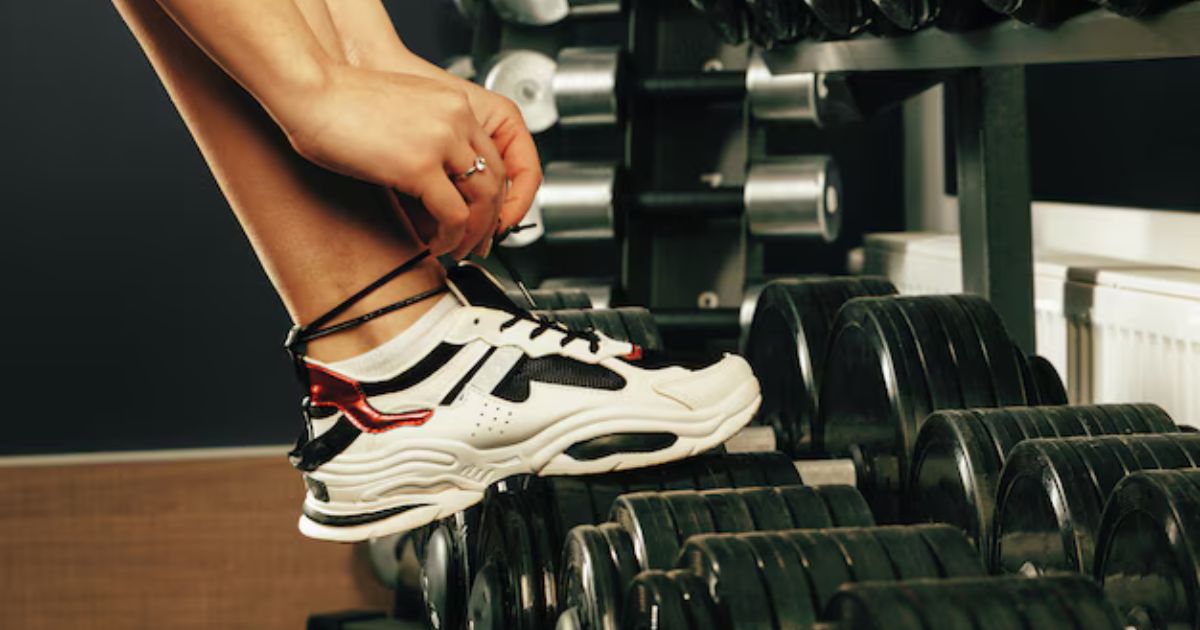
You may feel like shoes are just shoes, but anyone who has squatted heavy in cushioned running sneakers knows the difference. Those soft, squishy soles actually work against you when you're under the bar. They absorb force that should be going into the floor and coming back up through your legs.
Weightlifting shoes solve this problem. They're designed specifically for the demands of lifting, not running or jumping, and they give your body a stable, solid base to generate real power from.
Think of it this way, like you wouldn't pour concrete on a trampoline. Your lifts need solid ground. That's exactly what a proper pair of gym training shoes for indian lifters are now investing in and deliver.
Table of Contents
-
What Makes a Good Weightlifting Shoe
-
Types of Lifting Shoes and What They're Built For
-
Key Features to Check Before You Buy
-
ProWolf's Lifting Shoe Lineup at a Glance
-
How to Pair Your Shoes with the Right Gear
-
Your Next Step Toward Better Lifts
What Makes a Good Weightlifting Shoe
Not every shoe marketed for the gym is a true lifting shoe. There's a difference. Here's what actually matters:
-
A firm, non-compressible sole so force transfers from your feet straight into the ground, not absorbed into cushioning.
-
Raised heel (typically 0.5" to 1.25") that improves ankle mobility and lets you hit deeper squat positions naturally.
-
Secure lockdown fit through straps, laces, or both so your foot doesn't shift mid-lift.
-
Wide toe box for natural toe splay and better balance during heavy compound movements.
-
Breathable upper materials to keep feet fresh during long training sessions.
These aren't luxury features. They're functional requirements for anyone training seriously with barbells.
Types of Lifting Shoes and What They're Built For
Many people don't realize there are different shoe types for different lifts. Using the wrong one for your discipline is a common mistake. Here's a clear breakdown:
-
Weightlifting Shoes (Squat Shoes): These are all-rounders built for squats, cleans, and snatches. The PRx700 V2 features a confirmed 2.5cm heel-to-toe drop, which improves ankle dorsiflexion and lets you reach depth without collapsing forward. ProWolf's PRx700 V2 and PRx800 both fall into this category, with the PRx800 adding a wider toe box for athletes who need extra room.
-
Best Deadlift Shoes: Deadlifts actually benefit from the opposite of a heel raise. You want to be as close to the ground as possible, and a flat, thin sole shortens the pull distance. ProWolf's DLx500, DLx550, and DLx600 are purpose-built for exactly this. The DLx600 steps things up further with a wider toe box, a 3mm flat sole, and a first-in-segment triple strap lockdown system, including an ankle strap, giving you a level of foot security that the DLx500's dual strap simply doesn't match. These are genuinely some of the best deadlift shoes available in India at this price point.
-
Powerlifting Shoes: These prioritize maximum stability and heel elevation for squat-based powerlifting movements. They're stiff, snug, and built to transfer every ounce of force you produce. ProWolf's LUXIAOJUN PowerPro sits at the premium end of this category, used by competitive lifters.
-
CrossFit and Training Shoes: For those who mix lifting with conditioning work, a CrossFit or general training shoe offers a balance of lateral support, light cushioning, and enough sole stiffness for barbell work. ProWolf carries the LUXIAOJUN X-Load and XT-Motion for this use case.
Key Features to Check Before You Buy
You might think any stiff shoe will do, but there are a few things that genuinely separate a good lifting shoe from a great one:
-
Heel height matched to your mobility: if your ankles are tight, a higher heel (0.75" to 1") will help you squat deeper without caving forward.
-
Single vs. dual strap: dual straps offer more lockdown; single straps are lighter; choose based on how much foot security you need.
-
Sole material: rubber outsoles grip better than plastic on gym flooring
-
Sizing: lifting shoes often fit differently from regular shoes; try with your workout socks and check that your heel doesn't slip.
-
Upper durability: leather holds shape longer; breathable synthetic mesh works well for hot gyms.
ProWolf's Lifting Shoe Lineup at a Glance
ProWolf is one of India's dedicated performance footwear brands, trusted by strength athletes and proud suppliers to recognized sports institutions across the country. Here's a quick comparison of their core gym training shoes india athletes rely on:
| Shoe Model | Type | Sole | Best For | Toe Box |
|---|---|---|---|---|
| PRx700 V2 | Weightlifting / Squat | 2.5cm heel drop | Squats, Olympic lifts | Medium |
| PRx800 | Weightlifting (Wide Toe Box) | Raised | Wide-foot lifters, squats | Wide |
| DLx500 | Deadlift / Barefoot | Flat / Zero drop | Deadlifts, pulls | Wide |
| DLx550 | Deadlift / Barefoot | Flat / Zero drop | Deadlifts, barefoot feel | Standard |
| DLx600 | Deadlift (Wide Toe Box) | 3mm flat | Deadlifts, sumo stance | Wide |
| LUXIAOJUN PowerPro | Weightlifting (Premium) | Raised | Competitive lifting | Standard |
All models feature non-compressible soles, secure fit systems and are designed specifically for barbell training, not general gym use.
How to Pair Your Shoes with the Right Gear
Good shoes are the foundation, but they work best when paired with the right gear. If you're serious about your training, you know that knee health is just as important as foot stability, especially as the weights get heavier. ProWolf's knee sleeves for knee pain are a natural add-on to your shoe upgrade, helping keep the knee joint supported and tracking properly during squats and pulls.
On the competitive side, if you're lifting on the platform or training toward a meet, pairing your lifter shoes with a powerlifting singlet womens or men's option from ProWolf, completes your setup for sanctioned competition. ProWolf carries both male and female singlets built to meet standard requirements.
Beyond that, consider a lifting belt for core support during maximal efforts and wrist wraps if your pressing and front rack position puts stress on your wrists.
FAQs
Q: Can I wear normal running shoes when lifting weights in the gym?
Running shoes feature soft soles that compress due to the applied pressure, hence compromising your base and reducing the effectiveness of power transfer. It's important to note that any serious barbell exercises require special lifting footwear.
Q: What are the differences between weight lifting shoes and deadlift shoes?
Weightlifting shoes come with elevated heels, while deadlifting shoes are always flat. The heel in the weightlifting shoe comes in handy when doing squats, while a deadlifting shoe makes you closer to the floor.
Q: How do I choose the appropriate heel height?
In case you experience difficulties with squatting because of poor ankle flexibility, a high heel will come handy, measuring around 0.75" to 1". Otherwise, the flat option would work perfectly fine for you.
Q: Are ProWolf’s lifting shoes suitable for beginners?
Yes, especially the PRx700 V2 and DLx500 ranges. They're built for performance but priced and sized for athletes at every level, not just competitive lifters.
Step Into Your Strongest Session Yet
The difference between a shaky squat and a locked-in rep often comes down to what's on your feet. If you've been training in general-purpose shoes, switching to proper weightlifting shoes from ProWolf could be the most impactful upgrade you make this year.
ProWolf's full range, from the affordable DLx series for deadlifts to the premium LUXIAOJUN line for competitive lifting, gives every athlete in India access to footwear that's actually built for the bar. And while you're at it, don't forget to explore their powerlifting singlet womens and men's options, plus accessories like knee sleeves and belts to build out a complete training kit.
Browse ProWolf's complete shoe collection at prowolf.in and find the pair that fits your lift.
Share:
How to Choose the Best Travel Backpack in India for Every Trip
Best Gym Training Shoes for Women: Top Picks for Comfort, Stability, and Performance