1. Primary Focus & Goals
|
Feature |
Athletic Body |
Bodybuilder Body |
|
Goal |
Performance, strength, endurance |
Muscle size, definition, aesthetics |
|
Training Outcome |
All-round physical capability |
Maximum muscle growth (hypertrophy) |
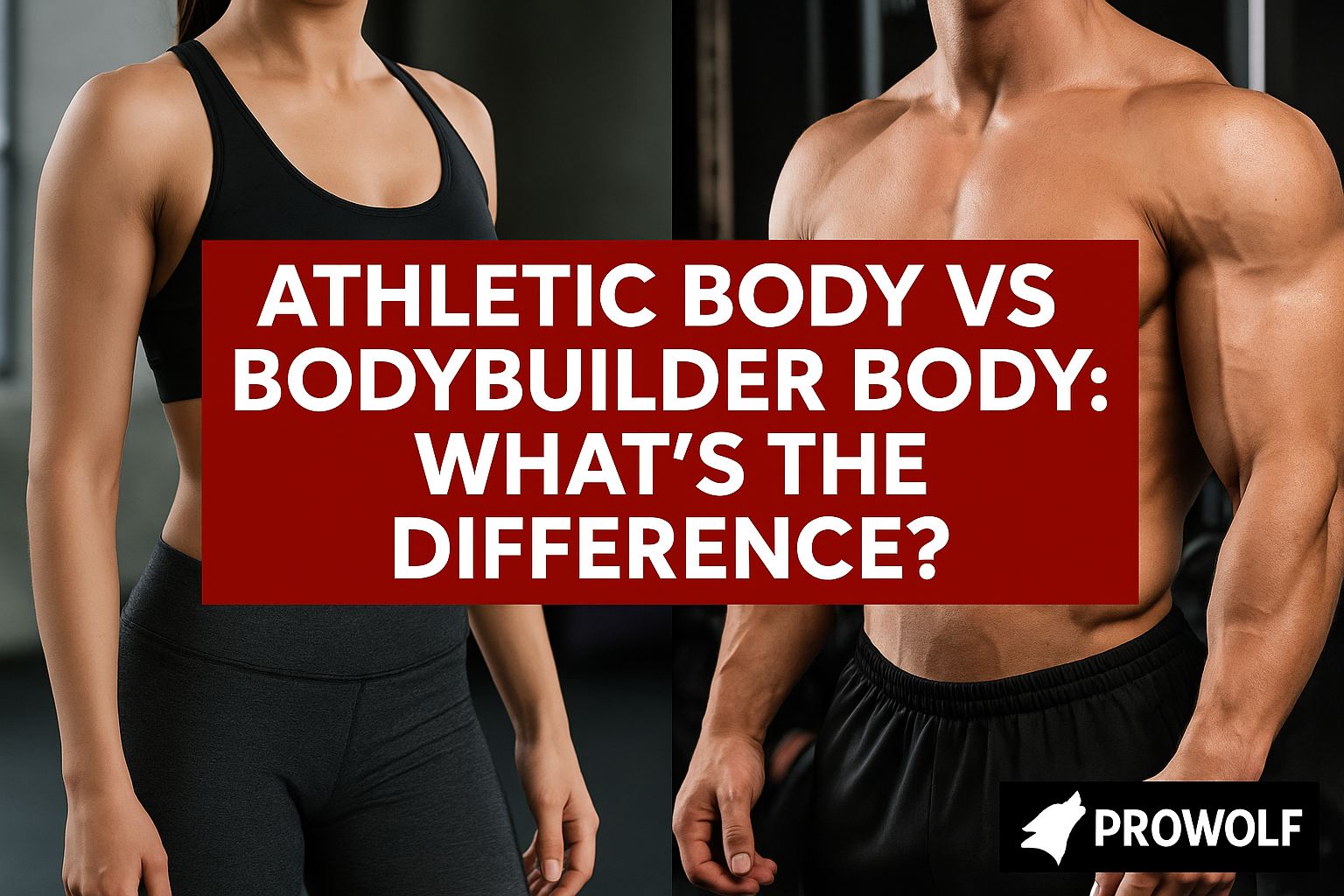
Athletes typically aim to excel in sports, relying on explosive power, flexibility, and stamina. Bodybuilders, however, prioritize hypertrophy, focusing on symmetry, definition, and muscle mass for competition or appearance.
2. Training Style
Athletic Body Training:
-
High-Intensity Interval Training (HIIT)
-
Plyometrics
-
Compound strength movements
-
Functional mobility drills
-
Sport-specific conditioning
Bodybuilder Training:
-
Isolation exercises (e.g., bicep curls, leg extensions)
-
Split routines (e.g., chest day, back day)
-
Heavy weight, moderate-to-high volume reps
-
Progressive overload for muscle size
Key Insight: While both body types require resistance training, athletes prioritize movement efficiency and injury prevention, while bodybuilders emphasize muscle isolation and visual symmetry.
3. Body Composition
|
Attribute |
Athletic Body |
Bodybuilder Body |
|
Muscle Mass |
Moderate, functional |
High, exaggerated in size |
|
Body Fat % |
Low (but sustainable) |
Very low during competition prep |
|
Flexibility |
High (important for movement) |
Moderate (can be limited by bulk) |
|
Definition |
Toned and lean |
Highly defined and vascular |
Bodybuilders often cycle between bulking (gaining muscle and fat) and cutting (losing fat to enhance definition), while athletes maintain a consistent, balanced physique year-round.
4. Diet & Nutrition
-
Athletes eat to fuel performance. Their diets are rich in complex carbs, proteins, healthy fats, and electrolytes to sustain long training sessions and recovery.
-
Bodybuilders follow more calculated macronutrient splits to manipulate body composition. Their prep diets often involve carb cycling, calorie deficits, or strict meal plans
5. Aesthetics & Visual Appeal
|
Aspect |
Athletic Body |
Bodybuilder Body |
|
Looks Like |
Sprinters, soccer players, gymnasts |
Classic physique competitors, models |
|
Common Traits |
Lean, agile, defined |
Bulky, symmetrical, extremely muscular |
|
Public Perception |
“Fit and functional” |
“Massive and shredded” |
An athletic body is often perceived as more "natural" and sustainable, while a bodybuilder's physique, especially at competitive levels, requires extreme dedication and often temporary peak conditions.
6. Health & Longevity
-
Athletic Training: Often better for long-term joint health, cardiovascular fitness, and everyday movement.
-
Bodybuilding Training: Can pose risks if extreme bulking or cutting phases are poorly managed (e.g., hormonal imbalance, joint stress, or dehydration before contests).
That said, both approaches can be healthy when practiced mindfully and with proper recovery.
7. Which One Is Right for You?
Choose an Athletic Body if you:
Want all-round fitness
Enjoy sports or functional training
Prefer a sustainable, low-maintenance physique
Choose a Bodybuilder Body if you:
Love sculpting and symmetry
Enjoy strength training and hypertrophy
Don’t mind rigorous diet and routine commitment
Final Thoughts
The athletic body vs bodybuilder body debate is not about which is better—it's about what suits your goals. Athletes train to perform, while bodybuilders train to impress. Both body types require discipline, smart training, and consistent nutrition. Your ideal body should align with your lifestyle, goals, and health priorities.
FAQs
Q1: Can I train for both an athletic and muscular body?
Yes! Many modern training styles, like CrossFit or hybrid programs, combine strength and athleticism for a balanced look and function.
Q2: Which physique is easier to maintain?
An athletic body is typically easier to sustain long-term since it doesn’t require strict bulking or cutting cycles.
Q3: Do athletes use bodybuilding techniques?
Some do. Accessory lifts and isolation work are often used by athletes to prevent muscle imbalances or rehab injuries
Share:
Best Dumbbell Exercises for Female Beginners
Top 20 Hip Hitch Exercises - ProWolf