


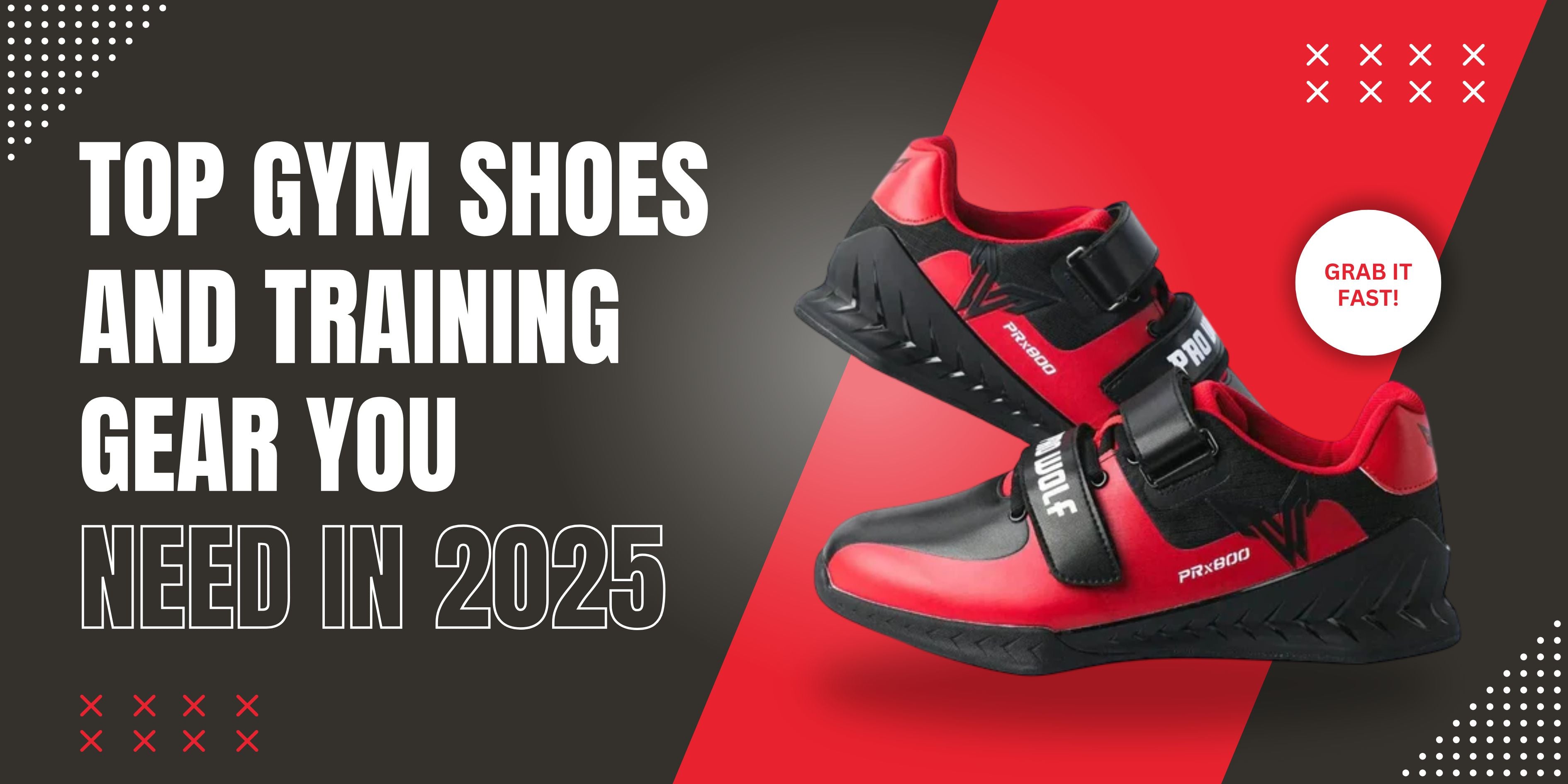
When it comes to reaching peak performance in the gym, the right shoes and training gear make all the difference. Many fitness enthusiasts often ask: “Do my shoes really matter that much?” The answer is yes. Your footwear and equipment don’t just impact comfort; they affect balance, safety, and the results you see from each workout. In 2025, with advanced designs hitting the market, it’s time to rethink your gym essentials.
Why Does Choosing the Right Gym Shoes Matter?
If you’ve ever experienced sore feet, unstable lifts, or discomfort during cardio, chances are your shoes are holding you back. Gym shoes are designed to give you stability, cushioning, and support for different types of training.
Unlike regular sneakers, these are engineered for performance, which means better posture, reduced risk of injuries, and improved lifting mechanics. Whether you’re running sprints, lifting heavy, or doing HIIT workouts, the right pair can completely change your training experience.
Are Deadlift Shoes Worth It?
One of the biggest debates among lifters is whether specialised shoes are necessary. Many people ask: “Why can’t I just lift in regular trainers?” The truth is, deadlift shoes provide a flat, solid sole that reduces unnecessary cushioning.
This helps keep you closer to the ground, improves stability, and enhances power transfer during heavy lifts. If your goal is strength, deadlift shoes are an investment in safety and performance.
What Makes Weightlifting Shoes Different?
For those into squats, cleans, and snatches, weightlifting shoes offer something unique: a slightly raised heel. This design improves ankle mobility, allowing you to squat deeper while keeping your torso upright.
Lifters often ask, “Do I really need them if I can squat in normal shoes?” The answer depends on your goals. If Olympic lifts or deep squats are a big part of your routine, weightlifting shoes can give you the stability and alignment you need.
Best Gym Shoes for Men in 2025
Men often look for durability, versatility, and style in their workout shoes. The market in 2025 offers a wide range, from minimalist lifting shoes to hybrid training sneakers that handle cardio and weights equally well.
Many guys ask, “What’s the one shoe that works for everything?” While no shoe is perfect for all workouts, workout shoes for men this year are built with flexible midsoles, breathable uppers, and reinforced stability to handle both functional training and strength sessions.
What About Training Shoes for Women?
Women frequently face the challenge of finding supportive yet lightweight shoes that can transition from weights to circuits without discomfort. Training shoes for women in 2025 now prioritise balance between cushioning and support, making them suitable for plyometric workouts, treadmill runs, and resistance training.
If you’re wondering whether women-specific shoes are necessary, the answer is yes—they’re designed to match foot shape and biomechanics, ensuring better performance and reduced injury risk.
Must-Have Gym Training Shoes for All Types of Workouts
Not everyone sticks to just one style of workout. Many people ask, “What if I do a mix of cardio, lifting, and classes?” This is where hybrid gym training shoes shine. These shoes feature firm midsoles for stability during lifts but still offer cushioning for agility and cardio-based exercises. If you need versatility, go for models explicitly designed for cross-training.
Do You Really Need More Than Just Shoes?
Shoes are essential, but they’re just part of the bigger picture. Most gym-goers ask, “What else should I have in my bag to get the best out of my workouts?” The answer lies in the right gym fitness accessories. Items like lifting straps, wrist wraps, and resistance bands add safety and variety to your workouts.
Pair these with a reliable gym backpack to carry everything, and you’ll have a complete setup that makes training more efficient.
How Do You Pick the Right Pair in 2025?
The most common struggle people face is confusion over endless options. To simplify your choice:
-
Define your training style – If your workouts focus on heavy lifting, running, or group classes, your shoe choice should match that routine. Picking the right type ensures maximum comfort and performance.
-
Check the sole – Flat soles are best for lifting, cushioned ones suit cardio, and hybrids work well for mixed training. The right sole design gives you stability and reduces injury risk.
-
Look for durability – Reinforced uppers and firm midsoles keep your shoes from wearing out too quickly. A durable pair saves money and supports your fitness journey longer.
-
Try before buying – Comfort varies for everyone, so always test the fit and flexibility before making a purchase. The right fit ensures your shoes support you throughout your workouts.
By focusing on these steps, you’ll avoid wasting money on shoes that don’t support your goals.
A Smarter Way to Elevate Your Training
At the end of the day, workout shoes aren’t just about looks—they’re about performance, safety, and results. Investing in deadlift shoes, weightlifting shoes, or versatile training sneakers can prevent injuries and maximise gains. And when combined with the right training gear, you’ll walk into the gym prepared, confident, and focused on progress.
If you’re ready to upgrade your workout in 2025, now is the perfect time to rethink your gym essentials. With the right shoes and gear, every rep, sprint, and squat becomes more effective. That’s how you take your fitness to the next level—with preparation and precision.
Key Takeaways:
-
Workout shoes are designed for performance, not just comfort.
-
Deadlift shoes improve stability and ground connection during heavy lifts.
-
Weightlifting shoes help with depth, posture, and balance in squats and Olympic lifts.
-
Gym shoes for men and training shoes for women are built to match biomechanics and workout needs.
-
A complete setup, including gym fitness accessories and a reliable gym backpack, enhances overall training efficiency.
FAQs:
1. Can I use running shoes for lifting weights?
Running shoes have too much cushioning, which reduces stability during lifts. It’s better to use workout shoes or lifting-specific footwear.
2. Are weightlifting shoes only for advanced lifters?
Not at all. Beginners benefit just as much, especially if they struggle with ankle mobility or squat depth.
3. How long do gym training shoes usually last?
With regular use, most pairs last 9–12 months, depending on workout intensity and shoe quality.
4. Should women use men’s gym shoes if they fit?
It’s better to choose training shoes for women, as they’re designed to match women’s foot shapes and biomechanics.
5. What’s the best all-rounder shoe for 2025?
Hybrid gym training shoes are the most versatile option for people who mix cardio, lifting, and classes.
Share:
What Are Football Shoes Called? (Boots, Cleats & Everything You Need to Know)
What Should You Look for When Buying Gym Knee Sleeves?